
Wind
-
 Solar
SolarThe Odd Couple: Renewables and Transmission
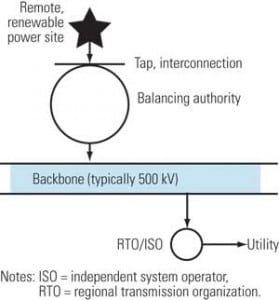
The tension between the growing number of renewable energy projects and limited transmission capacity is reflected in Washington’s legislative agenda of establishing a national renewable portfolio standard and new transmission lines dedicated to moving renewable energy coast-to-coast. Even if those ideas become law, hurdles to the happy marriage of renewables and transmission remain.
-
 Wind
Wind"Smart Turbine Blades" to Improve Wind Power
Engineers at Purdue University and Sandia National Laboratories have developed a technique that uses sensors and computational software to constantly monitor forces exerted on wind turbine blades. Their achievement could one day improve the efficiency of wind turbines by providing the blades’ "smart" structure with necessary data to adjust to rapidly changing wind conditions.
-
Wind
Gone with the Wind
Secretary of the Interior Ken Salazar, speaking in Atlantic City on April 6, added more hot air to the discussion about offshore wind when he stated that windmills off the East Coast could generate enough electricity to replace most, if not all, of the coal-fired power plants in the U.S. I’m disappointed Salazar didn’t take a few minutes for fact-checking and back-of-the-envelope ciphering before his speech.
-
 Coal
CoalCanada Moves to Rebalance Its Energy Portfolio
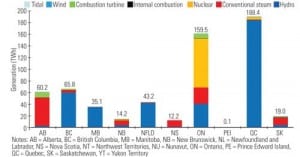
Though Canada is rich in fossil fuels, nuclear power may fuel a significant portion of the nation’s future electrical generation needs, especially in provinces that have traditionally relied on hydropower and fossil fuels.
-
 O&M
O&MTurkey Opens Electricity Markets as Demand Grows
Turkey’s growing power market has attracted investors and project developers for over a decade, yet their plans have been dashed by unexpected political or financial crises or, worse, obstructed by a lengthy bureaucratic approval process. Now, with a more transparent retail electricity market, government regulators and investors are bullish on Turkey. Is Turkey ready to turn the power on?
-
 Coal
CoalRecession Reduces Demand for Electricity
When roving Contributing Editor Mark Axford attended several recent energy conferences, he found the same questions asked at each one about new U.S. generation sources and consumption patterns. Unfortunately, the experts had few good answers to those questions.
-
-
Hydro
Renewable Project Finance Options: ITC, PTC, or Cash Grant?
Dozens of institutional investors in U.S. renewable energy projects pulled out of the market when the nation’s liquidity reserves dried up late last year. Some left the renewable market sector in search of more lucrative investment opportunities. Others found themselves unable to take advantage of the attractive tax credits because they themselves lacked profits against which to use the credits. The American Recovery and Reinvestment Act of 2009, approved February 13, changed the investor ground rules — again.
-
 Coal
CoalPowering the People: India’s Capacity Expansion Plans
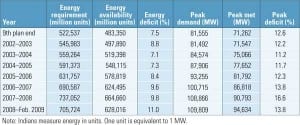
India has become a global business power even though hundreds of millions of its citizens still live in poverty. To sustain economic growth and lift its people out of poverty, India needs more — and more reliable — power. Details of government plans for achieving those goals demonstrate that pragmatism may be in shorter supply than ambition and political will.
-
 Wind
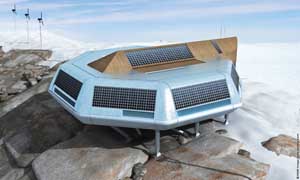
WindTurbines Spinning at Antarctica’s First "Zero-Emissions" Station
About 110 years after the Belgica expedition — a polar voyage organized by the Geographical Royal Society to establish the world’s first Antarctic scientific research program — a new, unique research station sponsored by the Belgian Federal Government has been commissioned. Inaugurated on Feb. 15 after two years of construction, the Princess Elizabeth Station (Figure 4) is the only polar base to run entirely on renewable energies.