
Articles By

-
 Gas
GasGas Hydrates: Fuel of the Future?
Gas hydrates, a form of natural gas that forms when methane from the decomposition of organic material comes into contact with water at low temperatures and high pressures, could play a role — even if a small one — in future fuel supplies, researchers attending a March meeting organized by the American Chemical Society suggested.
-
Commentary
Energy Bubble, Anyone?
When the housing bubble burst, it exposed an unseemly alliance between special interests and the financial sector. Activists wanted homes for all at any cost, and lenders were happy to oblige despite the inherent risk.
-
 News
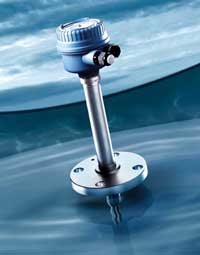
NewsExtreme Temperature Vibrating Fork
Emerson Process Management launched a new extreme temperature version of its Rosemount 2130 vibrating fork liquid level switch that is designed for use in extreme temperatures — from – 94F to 500F (–70C to 260C). The new version includes a low-density option suitable for liquids with specific gravity down to 0.5 (500 kg/m 3). In addition to built-in fault-monitoring/self-checking diagnostics to detect corrosion of the forks or any internal or external damage or breaks in the internal electrical wiring, it features a "heartbeat" LED, which provides instant visual indication that the unit is operational. The unit requires no onsite calibration and is available in 316L stainless steel, corrosion-resistant alloy C wet side, or a range of other stainless steel and aluminum options. (www2.emersonprocess.com)
-
 News
NewsAdvanced Vibration-Monitoring Technology
Sweden’s SKF Reliability Systems introduced the SKF Microlog Analyzer AX, an advanced vibration-monitoring technology. With simultaneous triaxial or four-channel vibration measurement capability, the unit speeds up data collection and saves time in monitoring rounds. The 806 MHz Xscale processor also means faster real-time rate and display updates. An available range of application modules allows users to create a custom device to perform several advanced tasks, such as impact tests, digital recording, modal analysis, transient phenomena analysis, and quality inspections.
-
General
FERC’s Wellinghoff bloviates on wind
Jon Wellinghof, the latest chairman of the Federal Energy Regulatory Commission, is, by his own words, a doofus. As reported in Power News this week, Wellinghoff said the U.S. may never need new baseload electric generating capacity. Why? Because wind will be so cheap it will get sent out first in an economic dispatch regime. […]
-
News
Bill to Rebate Utilities Billions from Yucca Mountain Waste Fund
The estimated $30 billion that electric utilities have paid since 1982 to the Nuclear Waste Trust Fund for the construction and operation of the federal nuclear waste repository at Yucca Mountain could be returned to them if a Senate bill introduced on Thursday passes.
-
News
FERC Chief: U.S. May Never Need New Nuclear, Coal
The U.S. may never need new nuclear or coal-fired power plants because renewable energy and improved efficiency can meet future power demand, Jon Wellinghoff, the Federal Energy Regulatory Commission chair, last week reportedly said.
-
News
UK Energy Secretary: No New Coal Plants Without CCS
The UK will not permit new coal-fired power plants without equipment to capture and store at least 25% of carbon emissions from day one and 100% by 2025, when carbon capture and storage (CCS) technology is expected to be technically and commercially proven, the country’s climate change secretary, Ed Miliband, said last week.
-
News
AmerenUE Suspends Missouri EPR Project for Financial and Regulatory Reasons
Changes to a state bill that would have allowed AmerenUE to charge customers during the construction of a second nuclear plant at Callaway in Missouri last week prompted the company to pull the plug on the $6 billion project.
-
News
Utility Execs Foresee Higher Power Prices, More Regulation with Obama Initiatives
Executives of North American utility companies are nearly split on whether President Obama’s proposed energy initiatives will have a significant impact on the structure of the electricity sector, according to the third annual Platts/Capgemini Utilities Executive Study just released. But there is greater executive agreement that environmental regulation and electricity prices for end users will be increasing.