The power of U.S. innovation and market incentives cannot be underestimated. The convergence of a business-driven energy transition and the explosive growth of artificial intelligence (AI) have exposed a critical bottleneck within our energy grid. If you believe that the U.S. will not lose the AI race, then the U.S. cannot, and will not, lose the energy race either. The opportunity cost of failing to power the AI revolution is too high for American innovation to ignore—market and regulatory forces are already converging to deliver affordable, cleaner, efficient, and reliable energy solutions.
COMMENTARY
Historically, calls for an energy transition, often framed under ESG (environmental, social, governance) principles, had gained traction. The business community embraced this with one caveat: they needed to ensure economic viability and shareholder returns. Around the same time, Generative AI, notably ChatGPT, emerged as a transformative technology poised for unprecedented disruption. Suddenly, the abstract need for more power became an urgent, concrete, and highly valuable commercial demand.
The AI boom extends beyond data and machine learning; it demands immense and rapidly escalating energy to power the data centers forming its foundation. Demand is skyrocketing: the International Energy Agency forecasts global data center energy consumption could reach 1,720 TWh by 2035 under certain conditions—exceeding Japan’s current electricity usage.
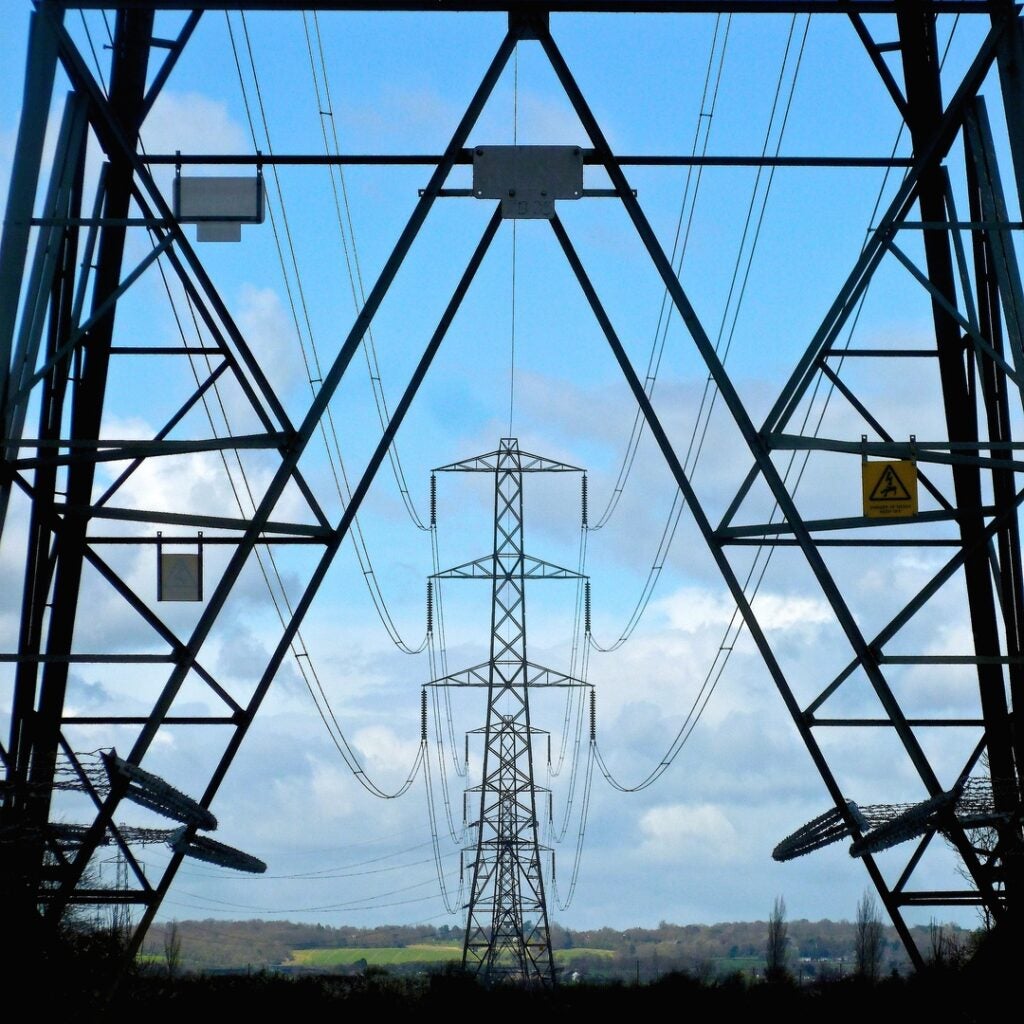
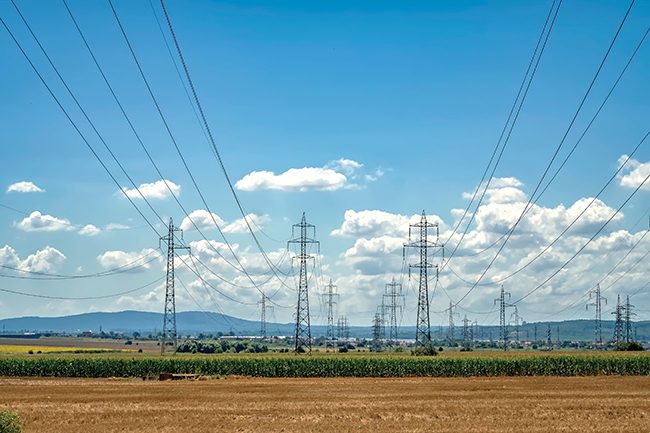
Scaling AI will have its challenges. The real bottleneck is not desire; it’s delivery. Our nation’s model for deploying capital to expand our grid infrastructure and permitting and interconnection processes, designed for a different era, are now face to face with the exponential speed of technological progress. Recent surveys indicate that permitting and application processes are the most significant barriers to energy supply growth, often exacerbating capital costs through delays.
However, the U.S. regulatory apparatus is actively adapting. Acknowledging rapid growth in large commercial and industrial electricity demand, the U.S. Department of Energy (DOE) directed the Federal Energy Regulatory Commission (FERC) to initiate rulemaking procedures.
FERC responded to the directive by issuing an Advance Notice of Proposed Rulemaking (ANOPR), aiming to promote efficient and timely access to transmission service for large electrical loads and highlighting AI data centers as a critical new class of facilities that require accelerated grid access.
This raises the critical question: where is the capital to fuel the needed infrastructure going to come from? The old method of regulators setting customer rates to fund capital projects, interconnections and the grid is not going to be sufficient. Capital will need to come from other sources, including private equity, the capital markets, and tech companies. That private equity, which typically seeks five-year returns, is already providing capital signals confidence that this challenge will be resolved quickly.
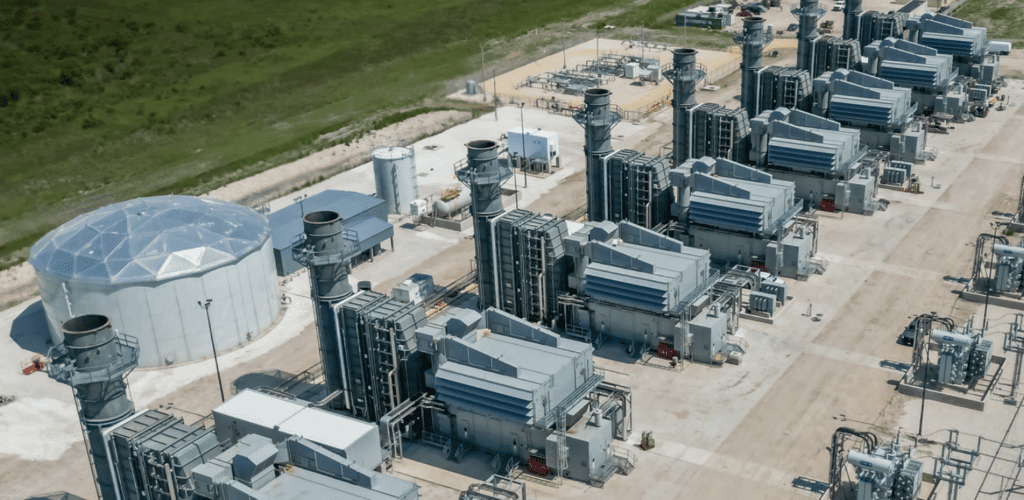
Diverse approaches will be necessary, evolving through several potential pathways. For instance, tech giants have increasingly bypassed the congested grid by financing dedicated, “behind-the-meter” power sources, such as co-located natural gas plants or solar farms with battery storage. Similarly, urgency from the tech sector may compel an unprecedented level of collaboration between utilities, regulators, and developers, a partnership that has been elusive for decades.
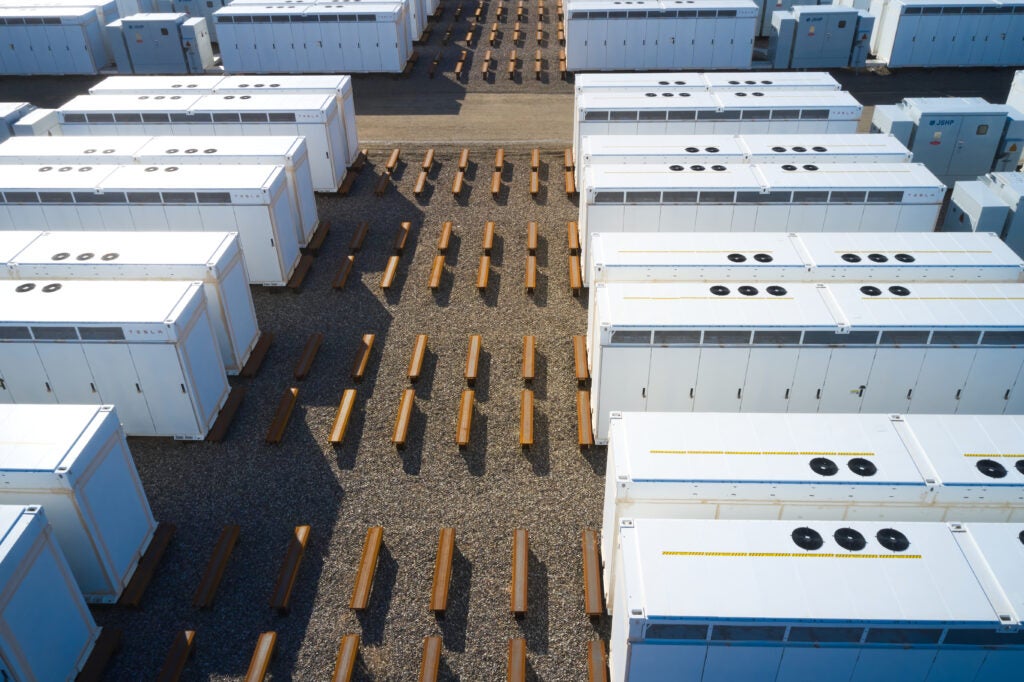
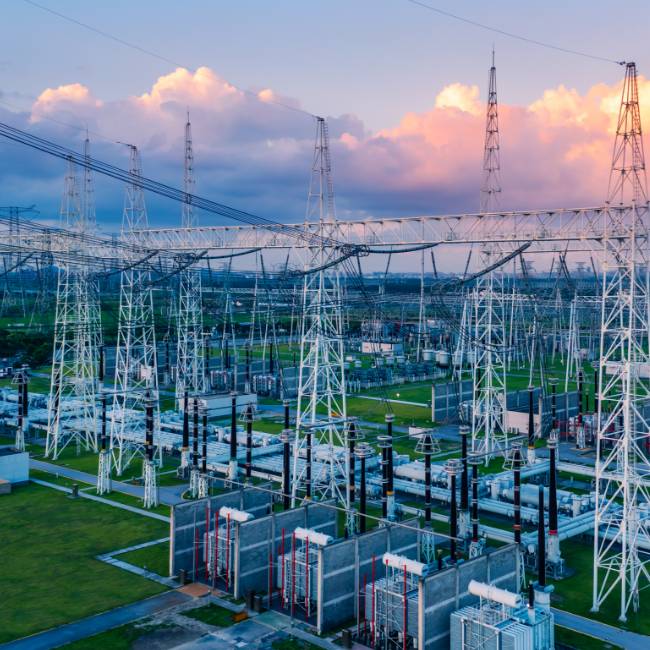
Another path includes significant investment and innovation in Grid-Enhancing Technologies (GETs) and large-scale battery storage to radically improve the efficiency and capacity of the existing grid. New energy efficiency solutions that monitor AI model costs and computing will also continue to advance. Interestingly, AI itself should help grid operators more efficiently move and balance load and capacity.
Energy leaders will be best served to focus on the elements in their control: coordinating with regulators, deploying capital at pace, connecting energy resources to the grid, building resiliencies where appropriate, creating the right deal structures for financing the future, and scenario planning for different regulatory outcomes. Although challenges to costs and permitting processes remain, the industry has reached a crucial turning point where it’s no longer waiting for perfect conditions to act.
Ultimately, a combination of these strategies will likely create a dynamic, competitive ecosystem aimed at a singular goal: delivering affordable power, fast. The central question is whether the regulatory framework can adapt quickly enough to enable this transformation, or if it will remain a primary bottleneck. The outcome will determine the pace of both the energy transition and the AI revolution.
Therefore, the critical issue for 2026 and beyond is not if we will have enough energy, but how it will be delivered. The path taken will have profound implications for the U.S. economy, its energy landscape, and its leadership in our technological future.
—Todd Fowler is the U.S. Sector Leader for KPMG’s Energy, Natural Resources and Chemicals practice.