
plant design
-
 Water
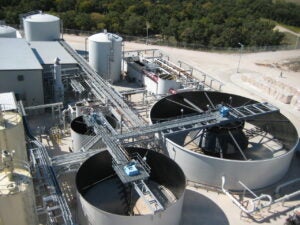
WaterFour Reasons to Consider Water Chemistry Early in the Design Process
Power plants are engineered with precision down to the smallest detail, yet one critical variable is often considered too late in the process: water chemistry. When it’s considered early in design rather
-
 O&M
O&MProcess Pumps in Power Generation: Choosing the Right Equipment for Optimal Performance
Generating electrical power takes on many forms—hydroelectric, solar, fossil fuel, renewable, biofuel, nuclear, and geothermal, all of which are made up of many internal processes that together produce the power we rely upon. For those internal processes that handle fluids, pump performance is a major contributor to overall plant efficiency, making pump selection a critical […]
-
 Trends
Floating Nuclear Power Buoyant on New Prospects
In July 1968, the U.S. Army sent the world’s first floating nuclear power plant, the Sturgis, to the Panama Canal to help overcome a regional hydroelectric power plant shortage, which was driven by a severe
-
 Partner Content
Benefits of Rubber Check Valves for Processing Harsh Fluids
Sponsored by:
Learn how this material choice can help municipalities prepare for extreme weather and other challenging conditions. According to the Center for Climate and Energy Solutions (C2ES), tropical storms have become more common in North America since around 2000. Frequency and intensity vary from basin to basin. In the North Atlantic Basin, the long-term (1966-2009) average […]
-
 Water
WaterPower Industry Automated Scraper Strainers Filter Full Spectrum of Debris Sizes
Unlike backwash systems, scraper strainers reliably resist clogging and fouling when faced with micron-sized particles, oversized solids, and high solids concentration. The power generation industry often prefilters raw water from rivers, lakes, gulfs, and coastlines to remove organic, aquatic, and other solids for use as cooling water. Typically, with once-through systems, water circulates through pipes, […]