
Latest
-
 Legal & Regulatory
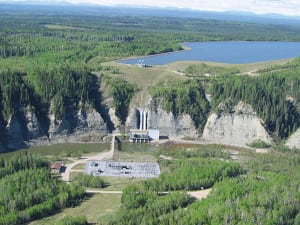
TransAlta Plays Defense with Coal Out, Renewables In
When it comes to a transition away from coal, TransAlta Corp. is playing political defense. The Canadian province of Alberta contains among the richest fossil energy resources in the world, including oil (and
-
 O&M
O&MUsing Sensor Technologies to Optimize Maintenance of Power Plant Water Systems
When we undertook an initiative at Granite Ridge Energy (GRE) to identify, prioritize, and assess components that were due for their 10-year assessments, we didn’t know quite what we were taking on or how to
-
Renewables
Power Technology Innovations from the Developing World
In its recently released Energy Technology Perspectives 2015, the International Energy Agency (IEA) noted that innovation in the energy sector differs from progress in other sectors in that it tends to move
-
 Commentary
Fusion Power Illusions, Delusions, and Hope
Fusion provides the energy of the sun and all stars, but harnessing fusion for civilian electric power has proven exceptionally difficult. For over 50 years the U.S. government has pursued
-
Nuclear
Nuclear Relicensing: The Best of Times, the Worst of Times
There is perhaps no industry in the U.S. experiencing a greater range of fortunes than nuclear power. Across much of the country, nuclear plants that must compete in deregulated markets are often economically
-
 Renewables
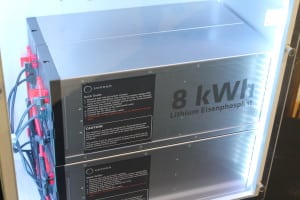
German Battery Firm Sonnen Moves into U.S. Home Solar-Storage Market
Look out Tesla, the Germans are coming. The U.S. residential energy storage market took another step forward on January 29 when German firm sonnen announced that it was partnering with solar manufacturer SolarWorld to offer residential solar-plus-storage systems in the U.S., much like the systems announced by Tesla and Solar City last April. Unlike […]
-
 Legal & Regulatory
New York Launches $5B Clean Energy Fund
The New York State Public Service Commission on January 21 approved a 10-year, $5 billion Clean Energy Fund that is expected to address climate change and strengthen resiliency in the face of extreme weather. It will also bolster Gov. Andrew Cuomo’s aggressive Clean Energy Standard, which calls for the state to meet 50% of its […]
-
 O&M
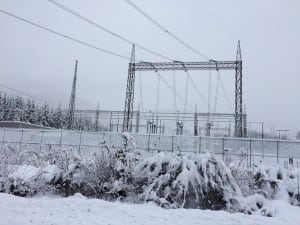
O&MWinter Storm Wallops East Coast, Disrupts Power
The historic winter storm that buried the Eastern U.S. in snow over the weekend shut the lights off for more than a million customers from Arkansas to Massachusetts as it downed power lines and hampered operations at some power plants. According to the Department of Energy’s Office of Electricity Delivery and Energy Reliability, at one […]
-
 Nuclear
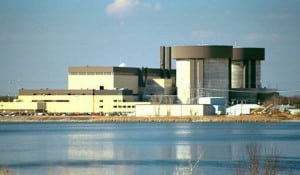
NRC Renews Licenses for Braidwood Units 1 and 2
The Nuclear Regulatory Commission (NRC) said on January 27 that it had approved the applications for license renewal submitted by Exelon Corp. for Units 1 and 2 of the Braidwood Generating Station in Braceville, Ill. Braidwood, the state’s largest nuclear plant, was originally built by Commonwealth Edison. The two-unit plant operates two Westinghouse pressurized water […]
-
 Renewables
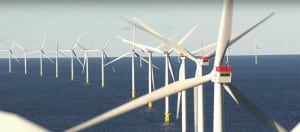
Wind Energy Thrives in Europe, but It’s Not Unfettered
Recent news out of Europe shows just how important wind energy has become to the continent. Record wind power consumption, huge capacity additions, and new expansion in previously untapped offshore areas are all making headlines, but policy changes and overproduction could start to become challenging. Denmark Leads the Way In Denmark, 2015 was a banner […]