
Latest
-
 News
NewsNorway Inaugurates Osmotic Power Plant
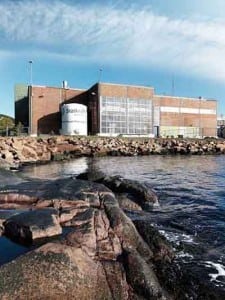
One of the world’s first osmotic power plants started operation at Tofte on the Oslo fjord in Norway last November, producing 2 kW to 4 kW after more than a decade of collaborative research and development by the Norwegian University of Science and Technology and Norwegian state-owned utility Statkraft (Figure 1).
-
 Nuclear
Concerns About Electromagnetic Interference in Nuclear Plants Related to Digital Upgrades
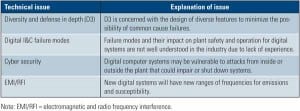
In order to operate aging nuclear power plant instrumentation and control systems for up to 60 more years or longer, there must be a smooth transition from existing analog technologies to advanced digital platforms. For this to occur, electromagnetic compatibility concerns related to both qualification testing and the electromagnetic environment must be addressed to ensure safe and reliable operation of these systems within the plant’s electromagnetic and radio frequency interference environment. By understanding the regulatory requirements and sharing implementation experience, digital system upgrades can be installed successfully.
-
 Nuclear
The Advanced Digital Fieldbus Option for Nuclear Plants
Digital fieldbus technologies, including Foundation fieldbus and Profibus, are increasingly being used with success in the nuclear and fossil fuel power industries. This article compares a conventional control system with a Foundation fieldbus – based digital control system used in a typical circulating water system in a nuclear power plant. As shown in this example, using digital fieldbus technologies can result in significant savings in terms of installation and hardware costs.
-
 O&M
O&MCan Your Boiler Feed Pump Handle a Deaerator Pressure Transient?
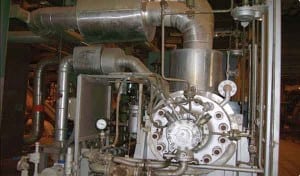
In a typical steam power plant, the boiler feedwater (BFW) pump takes suction from the deaerator (DA) and discharges high-pressure water to the boiler through the feedwater heaters. During normal operation, the DA is supplied with steam turbine extraction steam to mix with and heat the feedwater.
-
Commentary
How Myths Distort Energy Policy
Congress and various states are considering a fundamental restructuring and regulation of our energy policy. Any such effort should be based on facts, but legislators, unfortunately, incline to myths, such as the notion that most of our energy comes from oil.
-
 Nuclear
The Value of a Knowledge-Based Culture Grows in Lean Times
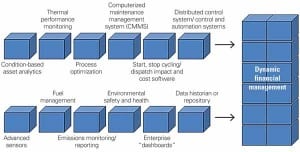
Given delays and cancellations of new generating capacity, pushing the existing power generation fleet is more important than ever. At ELECTRIC POWER 2009, multiple presentations explored the premise that an active knowledge management strategy — requiring a blend of digital and human elements unique to each power plant — will help you extract the most productivity from your assets.
-
 Coal
CoalPlant Efficiency: Begin with the Right Definitions
The race is on to claim the title of "most efficient coal-fired power plant" on the planet. However, it’s tricky identifying finalists because of the widespread misuse of the term "efficiency" and all those nagging assumptions. Let’s first establish clear definitions and then identify the title contenders.
-
 O&M
O&MLow-Cost Wireless Sensors Can Improve Monitoring in Fossil-Fueled Power Plants
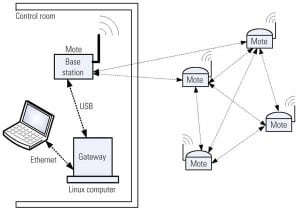
As equipment ages in fossil-fueled power plants, component wear leading to machinery failure increases as a result. Extending equipment life requires increased attention to maintenance, and one way to improve maintenance planning is to detect faults prior to failure so maintenance can be scheduled at the most cost-effective, opportune time. This type of strategy benefits from the use of additional sensors, and wireless ones can often be installed with the least time and cost.
-
O&M
How to Avoid Alarm Overload with Centralized Alarm Management
In 1999, the Engineering Equipment and Materials Users’ Association (EEMUA) released its general guide to the design, management, and procurement of alarm systems for industrial plants. The guidance document (EEMUA 191), however, is vague about applications to specific facilities, such as electric power plants. This article specifies EEMUA 191 standards and practices applicable to the electric power industry and spells out specific variations in alarming practices that are tailored for today’s power plants.
-
Nuclear
Nontechnical Issues Affecting Digital Upgrades at Nuclear Power Plants
Existing nuclear power plants are increasingly facing the conversion to digital instrumentation and controls technology. Meanwhile, new nuclear designs have digital technology integrated throughout the plant. Digital controls will soon be inevitable, so how do we make the transition as smooth as possible? Without losing focus on the technical solutions, organizations have to pay attention to the nontechnical issues as well.