
Latest
-
 Waste to Energy
Waste-to-Energy Technology Options Increase but Remain Underutilized
WTE technologies offer cost-effective, near-term solutions for producing baseload electric power, meeting renewable energy targets, and reducing greenhouse gas emissions in the U.S. and other countries. They also present opportunities for improving resource management practices, increasing energy security, enhancing environmental quality, and supporting climate policy goals around the world.
-
 Waste to Energy
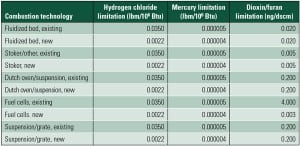
Has Boiler MACT Improved the Future for Biomass Power?
The impact of recently released air emissions regulations has stirred heated debate about forced coal plant closures and the possibility of reduced grid reliability in some regions. Biomass power may be an unexpected beneficiary of the new rules.
-
 Nuclear
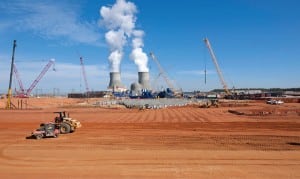
Happy Days for Nuclear Power?
The first license to construct a new nuclear power plant in the U.S. in 34 years was granted by the Nuclear Regulatory Commission on Feb. 9. Has the elusive nuclear renaissance finally begun?
-
 O&M
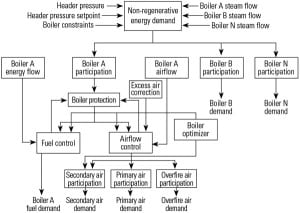
O&MIntelligent Control of FBC Boilers
Optimizing combustion control is critical to reducing emissions and increasing plant operating efficiency, particularly for fluidized bed combustion (FBC) boiler plants burning biomass fuel that has unpredictable moisture content. The secret: measuring actual energy flow.
-
 Water
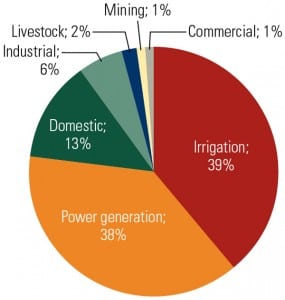
WaterPromoting Sustainable Water Usage in Power Generation
Growing concern about water usage by U.S. electric power generation is being prompted by a number of factors, including projected increases in power demand due to population growth, competing uses for water, and recent drought conditions in various parts of the country. Our overview presents diverse perspectives from industry experts about current and future challenges of balancing power generation needs with declining water availability.
-
 Water
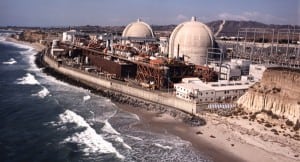
WaterClever “Helper” Tower Solves Cooling Water Dilemma
Gone are the days when ocean or river water for once-through cooling of a new power plant was assumed to be available. Today, more than 500 fossil-fueled and 38 nuclear plants use once-through cooling. However, regulators in several states are aggressively pushing what is essentially a ban on the use of once-through water cooling, forcing a conversion to closed-cycle cooling.
-
 Business
POWER Gets Social
Do you have professional insights to share with others in the industry—or questions for those with a particular expertise? Do you want to get news and information from POWER more than monthly or weekly? Then join POWER on these social media platforms.
-
 News
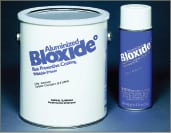
NewsRust-Preventative Weldable Primer
Tempil introduced BLOXIDE°, a rust-preventive weldable primer that provides protection from rust formation on edges prepared for welding. It also acts as an oxygen/oxide scavenger in the weld pool. This results in a clean X-ray quality weld. Steel sections having their prepared edges coated with BLOXIDE° can be stored outside in open yards for extended […]
-
 News
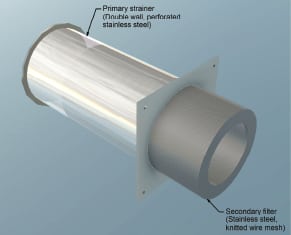
NewsPatented Filter Medium for Core Cooling
Multi-disciplined engineering and consulting firm ENERCON received patents for a filter medium for strainers used in nuclear reactor emergency core cooling systems (ECCS). ENERCON’s Debris Bypass Eliminator was developed in response to the Nuclear Regulatory Commission’s Generic Safety Issue, GSI-191, “Assessment of Debris Accumulation on PWR Sump Performance.” During long-term recirculation for cooling of the […]
-
 News
NewsTrue Machine Train Alignment
Ascertaining the alignment of all machines in a multiple machine train has always been a cumbersome and time-consuming process. The new ROTALIGN ULTRA MultiCoupling feature allows the alignment of up to seven machines in a train to be measured simultaneously, with a single quarter rotation (or less) of the shafts. This saves time and resources […]