
Search
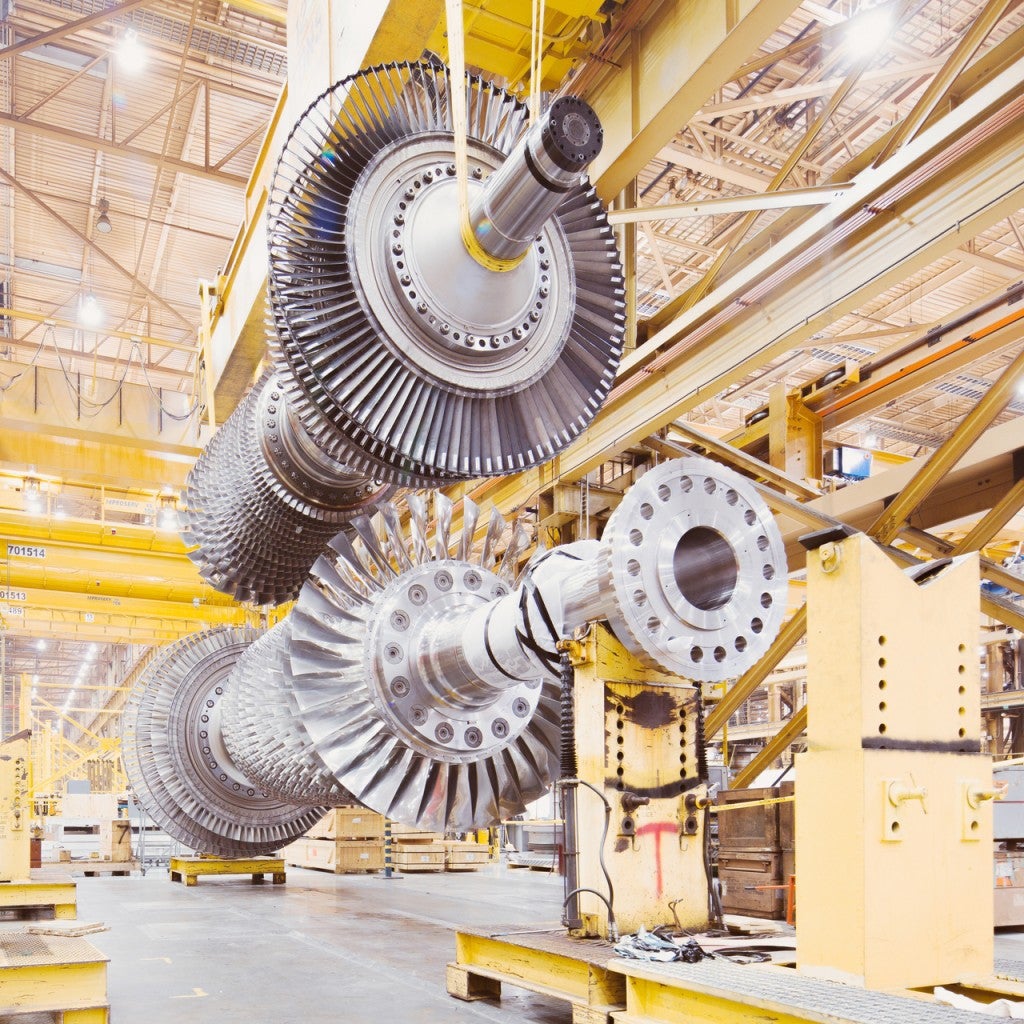
Gas turbine operators face constant pressure to maintain reliability while minimizing downtime and extending equipment life. One of the most significant operational challenges is exhaust gas temperature (EGT) spread—a key indicator of combustion balance and turbine health.
Excessive EGT spread can trigger alarms or automatic shutdowns and significantly reduce the lifespan of turbine components.
In this case study, Fern Engineering was tasked with analyzing the fuel distribution system for a refinery’s gas turbine fleet to identify the root causes of temperature variation and evaluate potential solutions.
Inside this engineering case study, you’ll discover how Fern Engineering:
Most gas turbines distribute fuel to multiple combustion chambers through a network of fuel nozzles arranged around the turbine perimeter.
Even small variations in fuel flow to individual nozzles can create uneven combustion conditions, increasing the exhaust gas temperature spread.
Fuel supply piping networks are often complex systems containing:
Numerous bends and fittings
Different tubing lengths and diameters
Orifices and restrictions
Manufacturing tolerances that influence flow distribution
These variables can make accurate analysis extremely difficult using traditional hand calculations alone.
To address the challenge, Fern Engineering built a detailed system model using Datacor’s Arrow software.
The model replicated the fuel piping, manifolds, and nozzle branches of a Rolls-Royce Avon gas turbine, including key piping elements such as bends, fittings, and area changes.
Engineers constructed a model containing 91 pipes and 92 junctions to simulate the full fuel distribution network and evaluate how variations in piping geometry and component tolerances influenced fuel delivery to each nozzle.
Multiple simulation scenarios were run to estimate how these variations affected turbine performance and EGT spread.
Before building the full turbine model, the team validated the software by comparing predicted flow results with test-rig measurements of sonic flow and orifice pressure.
The simulation results closely matched the physical test data, providing engineers confidence in the model’s accuracy and predictive capability.
This modeling approach allowed the engineering team to analyze complex flow networks that would have been impractical to evaluate using manual methods.
This resource is designed for professionals responsible for turbine performance and power plant reliability, including:
Gas turbine engineers
Power plant operations managers
EPC and consulting engineers
Reliability and maintenance engineers
Combustion and fuel system specialists
Learn how engineering teams used advanced modeling to analyze turbine fuel systems, reduce exhaust temperature variation, and improve operational reliability.
Complete the form to access the full case study.
