
Search
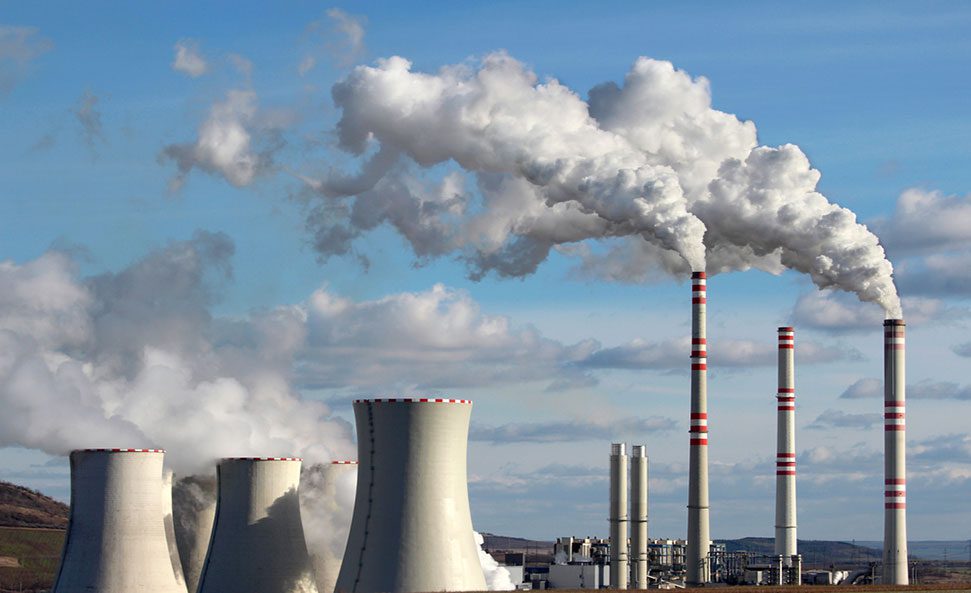
Power generation facilities are facing increasingly stringent emissions regulations while still being expected to maintain reliability and consistent power output.
For many operators, the challenge is balancing compliance with cost, plant performance, and operational constraints.
In this case study, engineers at Kiewit Engineering Group were tasked with evaluating whether an aging auxiliary steam system at a commercial power plant could support the reactivation of a glycol heating system designed to mitigate emissions-related operational issues.
Using advanced modeling tools, the engineering team was able to identify system constraints, simulate multiple operating scenarios, and recommend targeted infrastructure upgrades that improved plant performance and emissions compliance.
This engineering case study explores how modeling and simulation helped optimize a complex steam system supporting four aging coal boilers.
Inside this case study, discover how engineering teams used advanced flow modeling to:
The plant sought to reactivate a glycol heating system designed to prevent acid formation during cold-weather startup conditions. Without proper heating, exhaust gases can drop below the acid dew point, damaging air preheaters and reducing plant efficiency.
However, the facility’s existing auxiliary steam system had been partially abandoned decades earlier and required careful analysis to determine whether it could support both existing and future steam demands.
Engineering teams needed to answer a critical question:
Could the current system handle the required steam flow—or would key infrastructure need to be upgraded?
Using Datacor’s Arrow modeling software, engineers simulated multiple operating scenarios across the plant’s steam network.
By analyzing system constraints—including steam velocity, flow restrictions, and piping limitations—the team was able to determine that upgrading the existing 6-inch crosstie pipeline to a 10-inch line would enable sufficient steam delivery across the system.
The modeling approach allowed the plant owner to confidently make infrastructure decisions before implementation—saving significant time and engineering resources.
The project delivered several important operational benefits:
As one Kiewit engineer noted, the complexity of compressible steam flow calculations would have made manual analysis extremely time-consuming, while modeling enabled faster and more accurate decision-making.
This resource is designed for professionals responsible for power plant design, optimization, and operations, including:
Learn how engineering teams used advanced modeling to optimize plant infrastructure, improve reliability, and support emissions compliance.
Complete the form to access the full case study.
Download the Case Study
