Discover how leading operators are maximizing asset value, reducing downtime, and avoiding unnecessary capital costs with advanced rotor life extension strategies.
Your E- and F-class gas turbine rotors may be approaching OEM-defined end-of-life—but that doesn’t mean replacement is your only option.
In this exclusive executive brief from Mechanical Dynamics & Analysis (MD&A), you’ll learn how to identify critical “weak-link” components, extend rotor lifespan, and return assets to safe, reliable, and cost-effective operation.
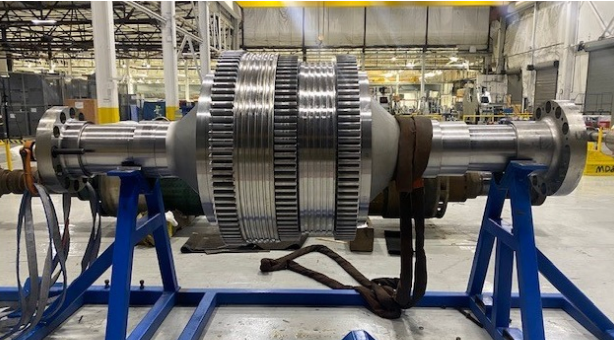
Why This Matters
Most rotors reach end-of-life due to a handful of high-risk components—not total system failure. With the right engineering approach, operators can:
- Extend rotor service life and defer major capital expenditures
- Improve reliability and reduce forced outages
- Optimize performance through targeted repairs and upgrades
- Maximize ROI from existing assets
What You’ll Learn
In this executive brief, MD&A Engineering Advisor Fred Willett breaks down proven approaches to rotor life extension, including:
- How rotor lifespan assessments (RLA) work—from inspection to rebuild
- Common failure modes in GE 7EA and 7FA turbines and how to address them
- How thermal stress, operating conditions, and design factors impact lifespan
- Best practices for balancing cost, risk, and performance in life extension programs
- Real-world engineering solutions that restore rotors to safe, productive operation
Key Insight (Credibility Section)
“All new rotors look the same… but all used rotors are different.”
Each rotor has a unique operational history—making customized, data-driven assessment critical to achieving optimal results without overspending.
Who Should Download
This brief is essential for:
- Plant managers and operations leaders
- Maintenance and reliability engineers
- Asset managers and technical directors
- Power generation professionals managing aging turbine fleets
Download the Brief
Don’t assume end-of-life means replacement.
Learn how to extend performance, reduce costs, and make smarter lifecycle decisions.