|
|
|
|
|
| Sponsored Content |
|
On January 12, 2026, Bolo Transmission LLC will commence an open solicitation for up to 800 MW of bi-directional, point-to-point, firm transmission service connecting the Public Service of New Mexico and the SunZia Transmission systems. Interested entities must submit a non-binding Expression of Interest Form to bolo-os@energystrat.com by February 13, 2026. Information about the project and process can be found at http://www.bolo-os.com/
|
|
 |
|
|
|
| Sponsored Content |
|
Renewables continue to dominate new power capacity, even as policy changes and supply chain pressures reshape the market. Advances in storage, solar, and wind are enabling reliable, around-the-clock clean energy. Discover the five key trends shaping renewable energy in 2026 and learn how industry leaders can stay competitive.
READ MORE
|
|
 |
|
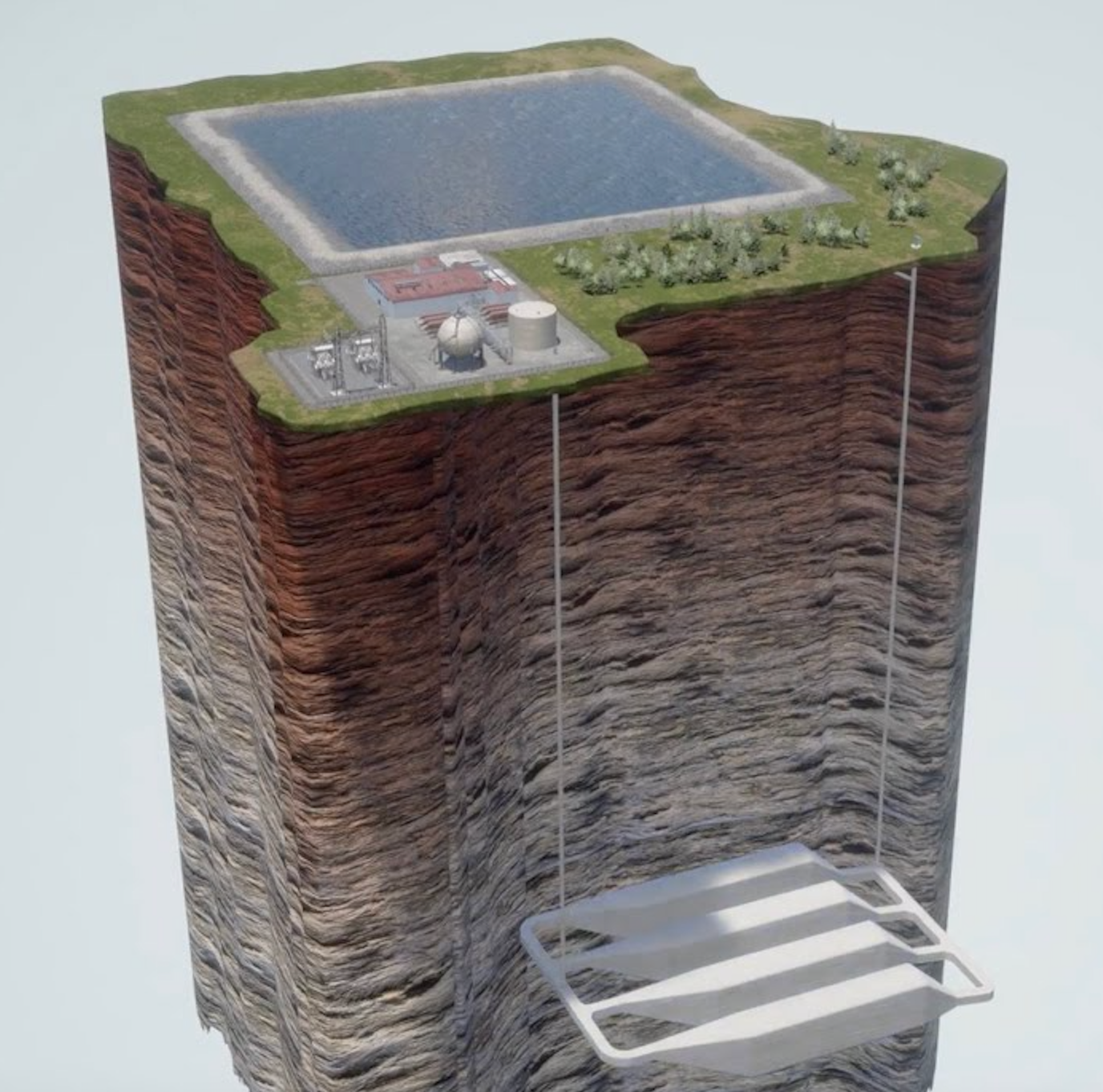 |
Baker Hughes, Hydrostor Will Collaborate on CAES Projects
U.S.-based technology company Baker Hughes said it has a strategic technology solutions and equity agreement with energy storage group Hydrostor. The deal between the companies, announced January 28, integrates Baker Hughes' technology as part of Hydrostor's core design offering for the latter's advanced compressed air energy storage, or A-CAES, solution. |
|
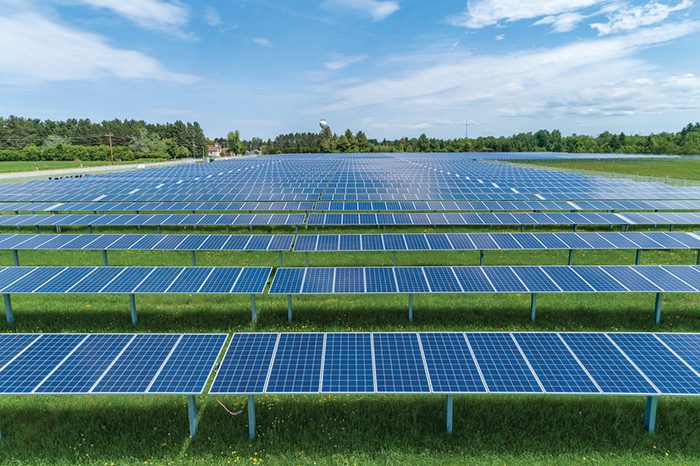 |
Luminace, Renewable Properties Partner on Community Solar Portfolio
Luminace has announced the acquisition of a 9.3-MWdc portfolio of community solar projects from Renewable Properties (RP), a leading U.S. developer and investor in small-scale utility, community solar, energy storage, and electric vehicle (EV) infrastructure projects. |
|
|
|
|
|
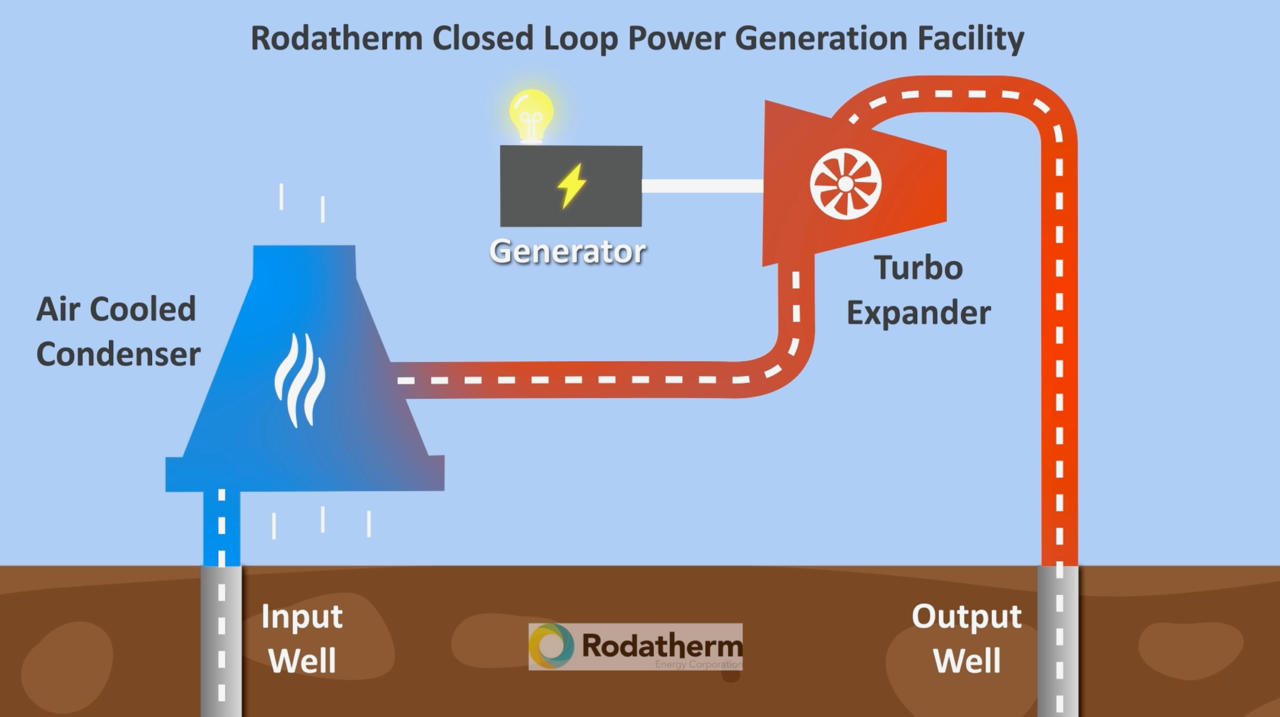 |
The POWER Interview: A Path Forward for Geothermal Energy
Among the companies working on advanced geothermal tech is Rodatherm Energy Corp., a privately held company with a primary focus on the Great Basin region in the Western U.S. The Utah-based company, which also has operations in Calgary, Alberta in Canada, is known for its pioneering Advanced Geothermal System (AGS). |
|
|
|
|
 |
How Utilities Can Prepare for the AI-Driven Energy Surge
After more than two decades of relative stasis, electricity demand in the U.S. is expected to increase by 25% by 2030 and by more than 75% by 2050, compared to 2023—a transformation largely driven by the surge in new data centers needed to power the artificial intelligence (AI) boom. |
|
|
|
|
|
|