|
|
|
|
|
| Sponsored Content |
|
A surge in energy infrastructure demand—and the parallel squeeze on labor, supply chains, and environmental pressures—may be rewriting the EPC rulebook. EnergyLink International, a Calgary-based engineering, fabrication, and construction firm known for its clean technology and building systems, is taking that shift head-on.
READ MORE
|
|
 |
|
|
|
| Sponsored Content |
|
As energy demand surges and power systems grow more complex, operators face the challenge of balancing reliability, efficiency and compliance. Discover Siemens Energy’s Omnivise Hybrid Control (OHC) solution – an intelligent system designed to seamlessly integrate different energy sources in one single platform. Experience the next steps toward a resilient, flexible, and sustainable energy future with cutting-edge technology from Siemens Energy.
READ MORE
|
|
 |
|
|
|
|
|
 |
Constellation Completes Acquisition of Calpine; Groups Have 55 GW of Generation Capacity
Major U.S. utility Constellation said it has completed its acquisition of Calpine Corp. from Energy Capital Partners (ECP), creating the nation’s largest producer of electricity. The companies on January 7 noted that the transaction, first announced as a $16.4-billion deal a year ago, unites Constellation’s nuclear power fleet with Calpine’s natural gas-fired and geothermal generation. The cash-and-stock deal, when including debt, has a total value of $26.6 billion. |
|
|
|
|
 |
Nuclear Waste Disposal Group Completes DOE-Funded Research Project
Deep Isolation Nuclear, an innovator in nuclear waste disposal technology, on January 13 said the company has successfully completed its Project SAVANT (Sequential Advancement of Technology for Deep Borehole Disposal), a two-year research initiative funded by the U.S. Department of Energy Advanced Research Projects Agency–Energy (ARPA-E). |
|
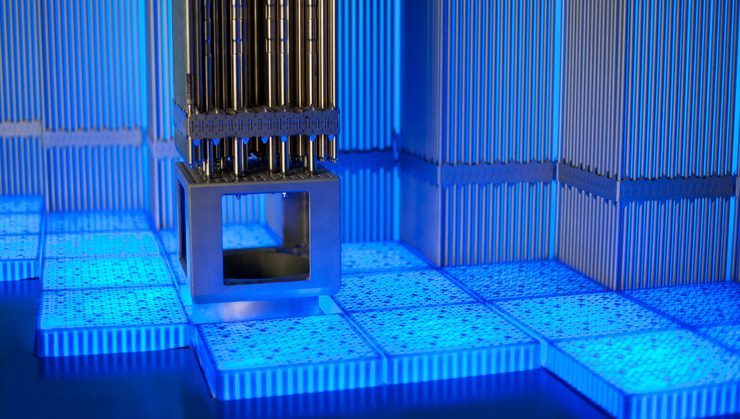 |
Why America's Nuclear Future Depends on Its Fuel Supply Chain
For much of the 20th century, the U.S. set the global standard for civilian nuclear energy. American innovation shaped reactor design, safety culture, and regulatory practice worldwide. Yet today, as nuclear power regains prominence amid concerns over climate, energy security, and industrial competitiveness, America faces a quieter but more consequential challenge: the erosion of its nuclear fuel supply chain. |
|
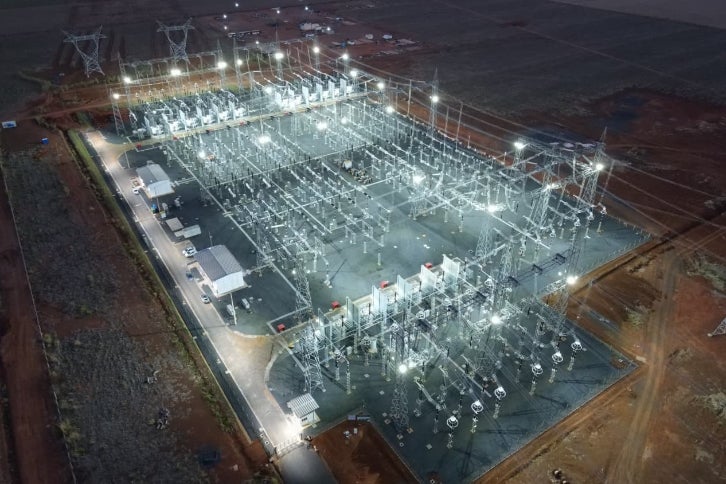 |
Iberdrola Group Energizes Massive Transmission Line Project in Brazil
A subsidiary of Spanish energy giant Iberdrola said it has energized a major transmission line project in Brazil. Neoenergia on January 10 said the company has completed the final section of the Alto Paranaíba Project. The group said the installation is Iberdrola's largest transmission project in Brazil, and one of that country's biggest electricity delivery initiatives. The 1,600-kilometer (994 miles) transmission line features 3,250 towers, and has six substations along its route. |
|
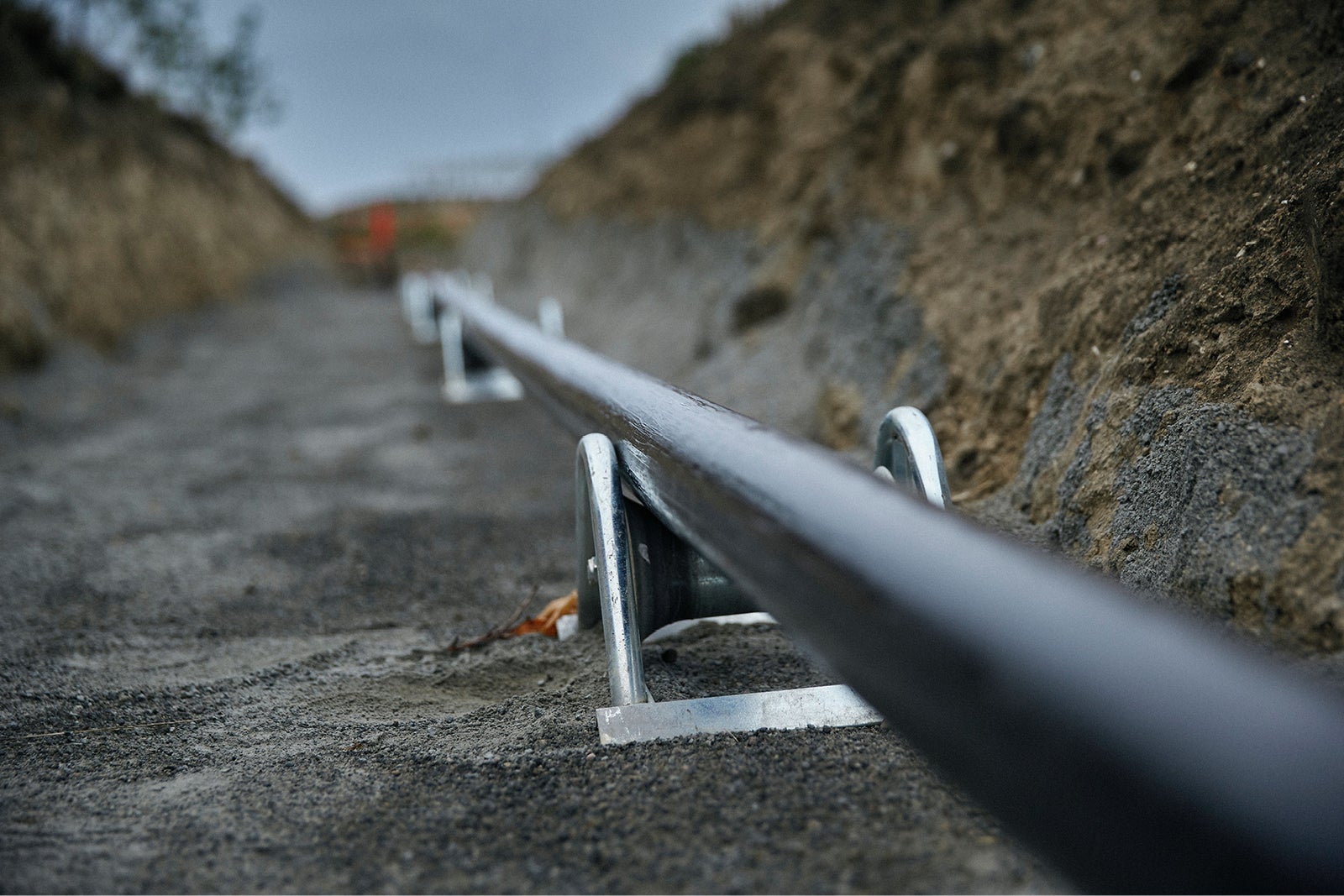 |
Understanding Cable Rejuvenation: A Modern Approach to Grid Reliability
For more than 60 years, polyethylene (PE) and ethylene-propylene rubber (EPR) underground cables have powered communities, industries, and progress. The hope was these cables could last decades before needing to be replaced, but due to water treeing—microscopic moisture-induced formations that degrade insulation and threaten reliability, they’re aging more rapidly than expected. With traditional replacement being costly and labor-intensive, it was time for a new solution. |
|
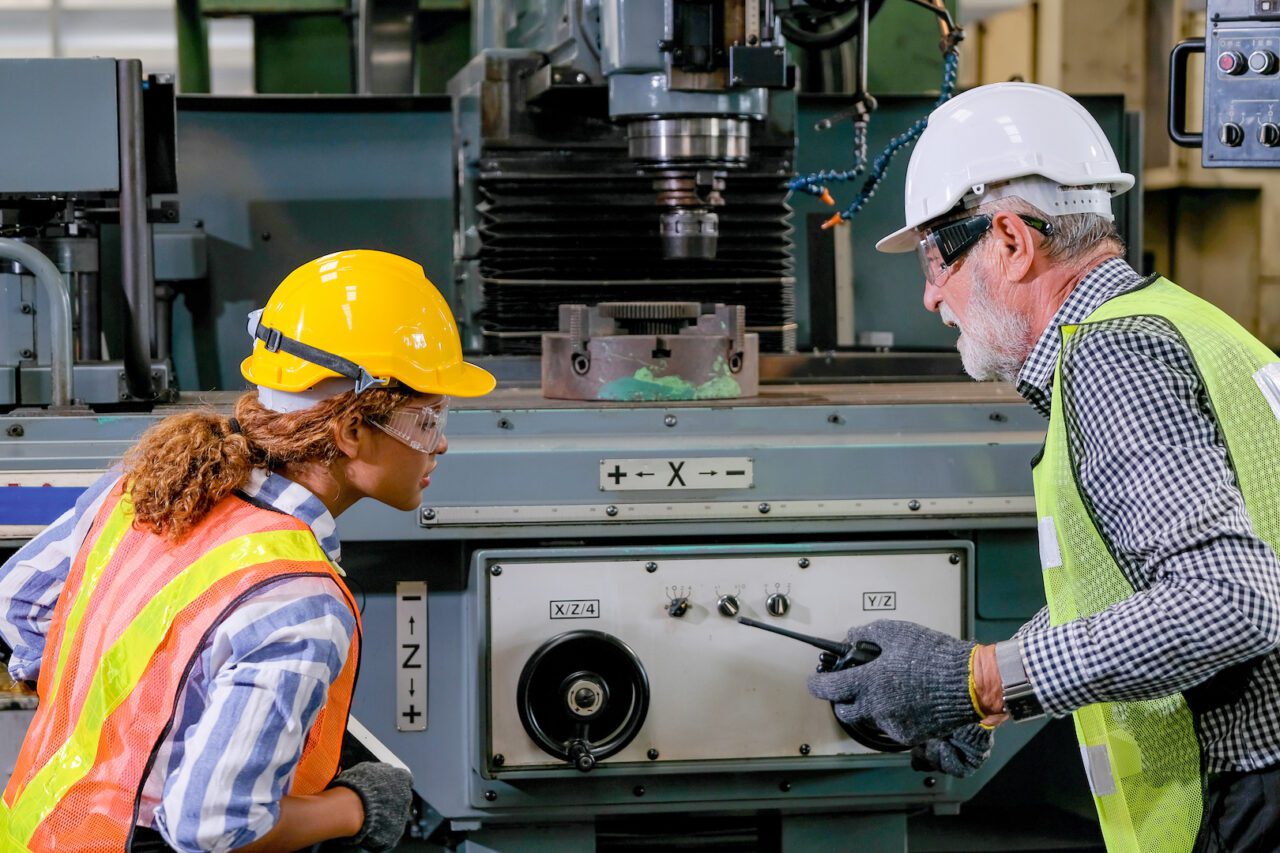 |
The Next Blackout Won't Be Caused by a Storm—It Will Be Sparked by a Talent War
Imagine a city going dark, not from a hurricane or a cyberattack, but because there weren’t enough skilled workers to restore power after a routine failure. While utilities scramble to fill critical roles, hyperscale data centers are hiring the same talent at premium salaries. The grid’s biggest vulnerability isn’t hardware; it’s a talent war that utilities are losing. |
|
|
|
|
|
|