Sept 30 - Oct 1, 2026
Omni Shoreham
Washington, D.C.
official event of 
POWER First: The Future of Digital Infrastructure
Data Center POWER eXchange (DPX) is the only data center conference with a truly power-first perspective. Created by POWER, it’s backed by the trusted voice of the power generation industry for more than a century.
Held in Washington, D.C., the intersection of energy policy, infrastructure planning, and one of the fastest-growing data center regions in the U.S., DPX brings together utilities, data center operators, developers, policymakers, and investors to address the power challenges shaping digital infrastructure.
Join us September 30–October 1, 2026, at the Omni Shoreham in Washington, D.C., and be part of the discussions shaping unprecedented industry growth.
2026 FEATURED SPEAKERS
-

Dr. R. Matthew Gardner
Vice President, Power Generation System OperationsDominion Energy, Inc. -

Judge Jehmal T. Hudson
Incoming NARUC PresidentVirginia State Corporation Commission -

Peter Lake
CEO, former Sr Dir Power NEDC & Former Chairman of PUC TXCardinal Rose LLC -
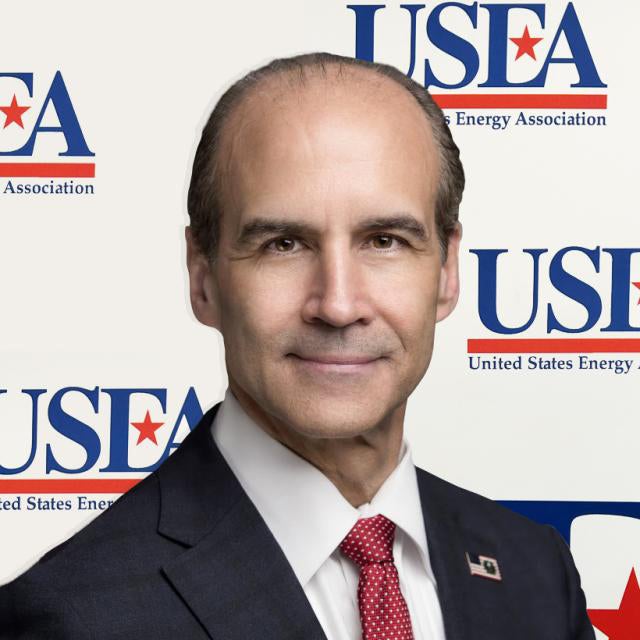
Honorable Mark W. Menezes
President & Chief Executive OfficerUnited States Energy Association (USEA) -

Nelli Babayan, PhD
Sr. Director, AI for US Federal at MicrosoftMicrosoft Corporation -

Erin Ragsdale
EVP & PartnerAllyn -

Phillip May
President & CEOEntergy Louisiana LLC -

Heather McGeory
Vice President, Energy & SustainabilityCoreWeave

Watch the DPX 2025 recap to revisit the conversations fueling the future of power infrastructure and data center expansion.
Why Attend Data Center POWER eXchange?
- Make Better Decisions, Faster
Cut through uncertainty around load growth, interconnection, cost, and policy—and leave with clearer paths to execution. - Access a Power-First Perspective
Understand data center growth through the lens that matters most: power infrastructure, reliability, and capacity. - Engage the Right People—All in One Place
Utilities, data center operators, policymakers, investors, and technology leaders—together in one highly curated environment. - Gain the D.C. Perspective
Understand how policy, regulation, and market forces are influencing infrastructure decisions at scale. - Go Beyond the Conference Room
Participate in curated experiences—including an off-site data center tour and executive-level networking designed for meaningful connection.
If you’re responsible for enabling large-scale digital growth, this is where power and data center decisions come together.
Become a Sponsor
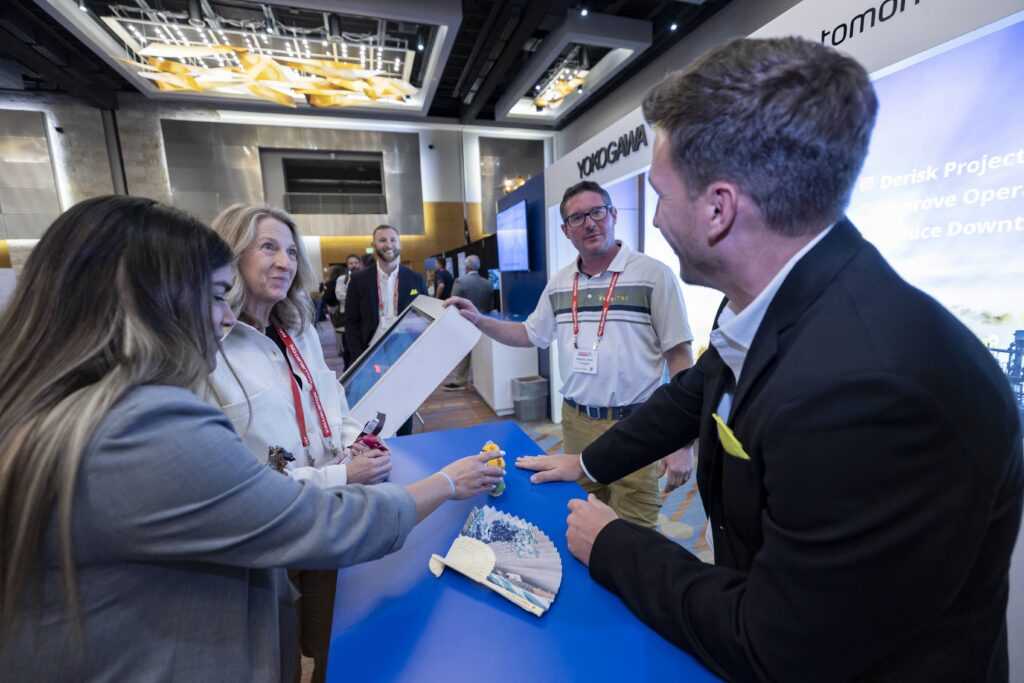
Position Your Brand at the Center of Power + Data Center Convergence
Engage a highly qualified audience of decision-makers across utilities, data centers, policy, and capital—actively shaping large-scale infrastructure investment.
Registration & Pricing
Registration is open for Data Center POWER eXchange 2026! Sign up early to secure your spot and lock in the best rates.
Groups of 3+ can save 20% or more!
Individuals or groups of 3-4 registering for any of the passes above may register online.
Groups of 5+ contact jdean@accessintel.com for pricing.
VENUE
Omni Shoreham Hotel
2500 Calvert Street, NW
Washington, DC 20008
Group rate: $299/night
Booking deadline: Sept. 4, 2026
The Omni Shoreham Hotel is a four-diamond hotel in Northwest Washington, DC. The Smithsonian National Zoo, Woodley Park Metro Station, Rock Creek Park and vibrant DC neighborhoods are within blocks of our 11-acre resort. During your stay, enjoy a heated outdoor pool (seasonally April through October), elegant gardens dotted with firepits, and a 24/7 Spa & Health Club. From Morsel’s Coffee Shop to Robert’s Restaurant & Terrace, Marquee Lounge and In Room Dining, you’ll find flavorful local fare. Valet parking is available ($64.90 per day includes tax.)
2026 SPONSORS