|
|
|
 |
Iberdrola Group Energizes Massive Transmission Line Project in Brazil
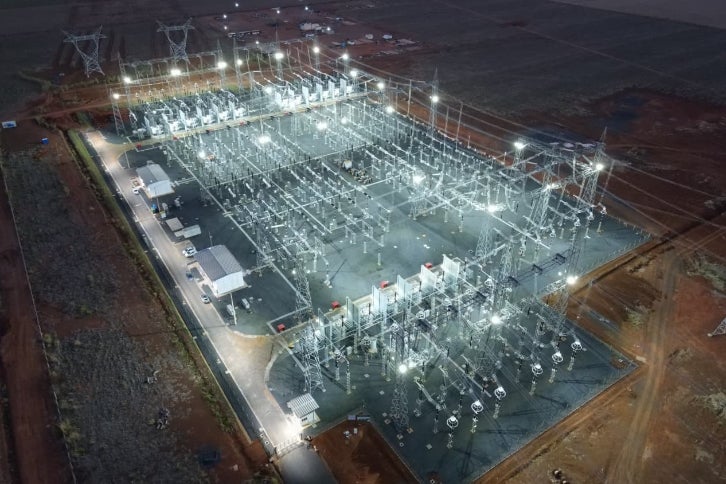
A subsidiary of Spanish energy giant Iberdrola said it has energized a major transmission line project in Brazil. Neoenergia on January 10 said the company has completed the final section of the Alto Paranaíba Project. The group said the installation is Iberdrola's largest transmission project in Brazil, and one of that country's biggest electricity delivery initiatives. The 1,600-kilometer (994 miles) transmission line features 3,250 towers, and has six substations along its route. |
|
| Sponsored Content |
|
Utilities need clear insight into what is happening where the grid is most exposed: the last mile.
Wesco integrates grid monitoring and field inspection technologies to identify equipment issues early, track condition of assets, and uncover risks that drive outages and unnecessary truck rolls.
We deliver the visibility utilities need to reduce risk and operate with confidence.
|
|
 |
|
|
|
|
|
| Sponsored Content |
|
On January 12, 2026, Bolo Transmission LLC will commence an open solicitation for up to 800 MW of bi-directional, point-to-point, firm transmission service connecting the Public Service of New Mexico and the SunZia Transmission systems. Interested entities must submit a non-binding Expression of Interest Form to bolo-os@energystrat.com by February 13, 2026. Information about the project and process can be found at http://www.bolo-os.com/
|
|
 |
|
|
|
|
|
|
|
 |
Understanding Cable Rejuvenation: A Modern Approach to Grid Reliability
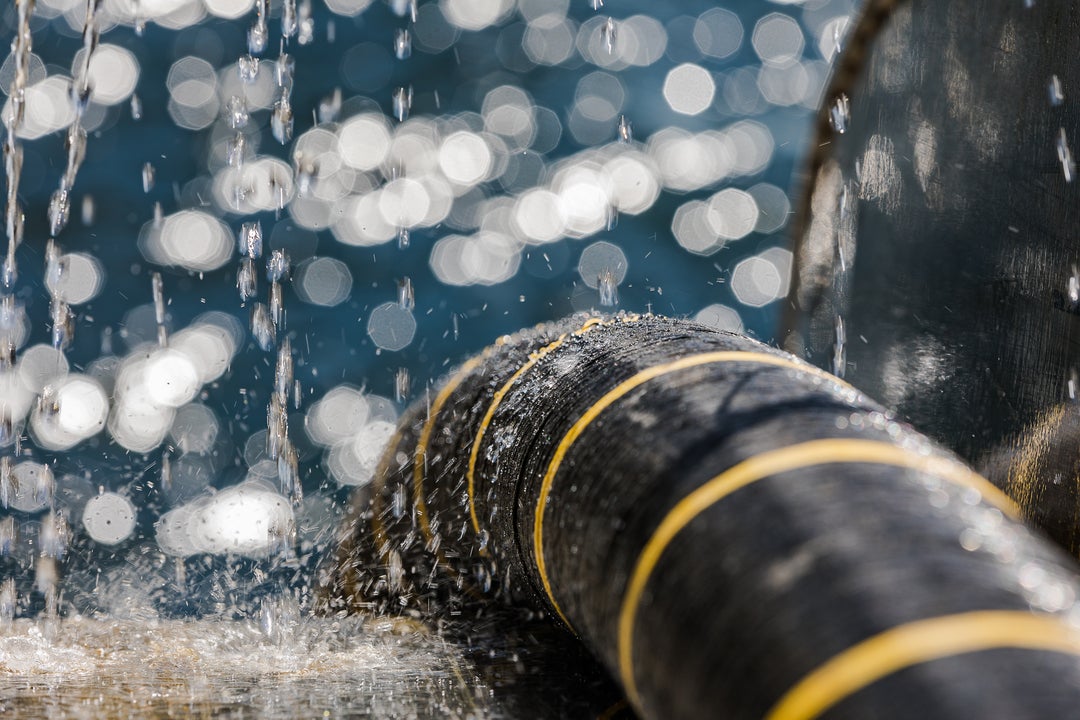
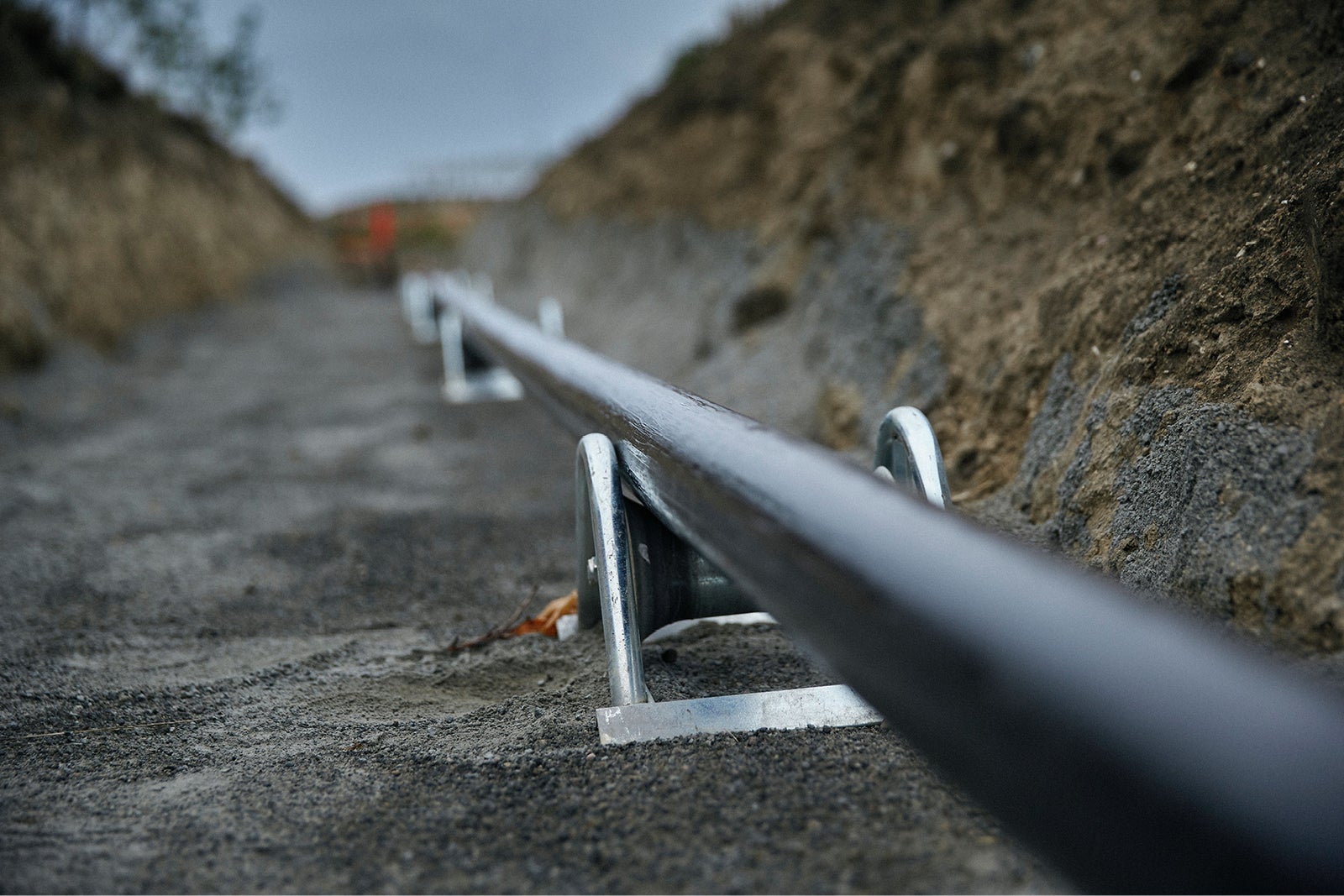
For more than 60 years, polyethylene (PE) and ethylene-propylene rubber (EPR) underground cables have powered communities, industries, and progress. The hope was these cables could last decades before needing to be replaced, but due to water treeing—microscopic moisture-induced formations that degrade insulation and threaten reliability, they’re aging more rapidly than expected. With traditional replacement being costly and labor-intensive, it was time for a new solution. |
|
 |
Evolving Technologies, Outdated Regulations Impact Mid-Atlantic Generation Permitting
Energy-generation permitting in the Mid-Atlantic continues to evolve in 2026 not through wholesale deregulation or uniform acceleration, but through procedural and permitting reform and the potential allocation of generation development authority to public utilities. States are enacting these changes to meet the reality of reliability concerns, transmission constraints, large load-growth, and to address frequent obstruction of energy projects by local government. |
|
|
| What We Are Watching |
sample list
fully editable
text & links |
|
|
|
|