|
|
|
|
|
| |
|
|
|
|
| |
|
|
|
|
 |
How Utilities Can Prepare for the AI-Driven Energy Surge
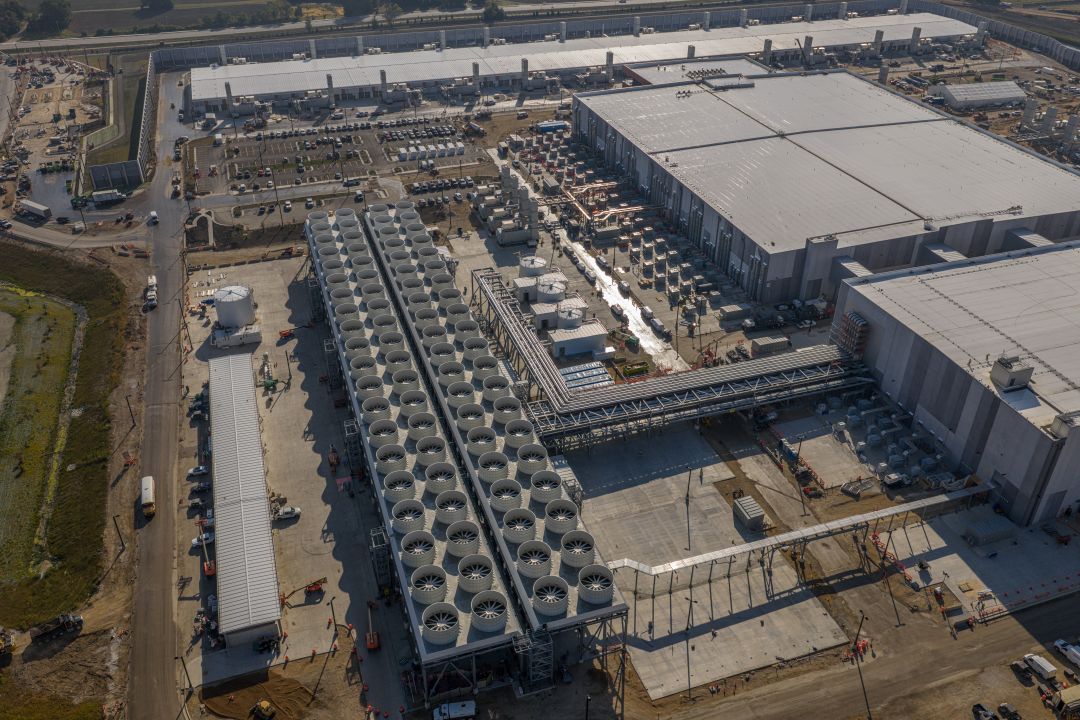
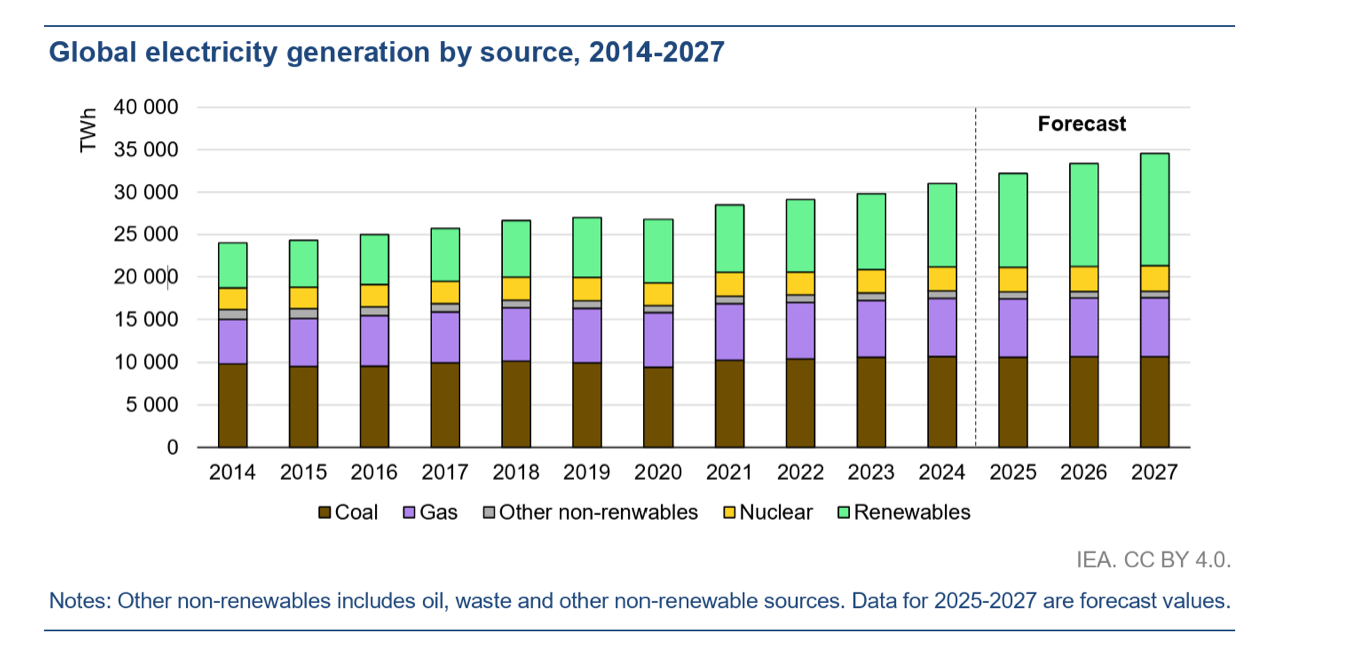
After more than two decades of relative stasis, electricity demand in the U.S. is expected to increase by 25% by 2030 and by more than 75% by 2050, compared to 2023—a transformation largely driven by the surge in new data centers needed to power the artificial intelligence (AI) boom. |
|
|
 |
How AI Use Cases from Other Sectors Can Transform Utilities
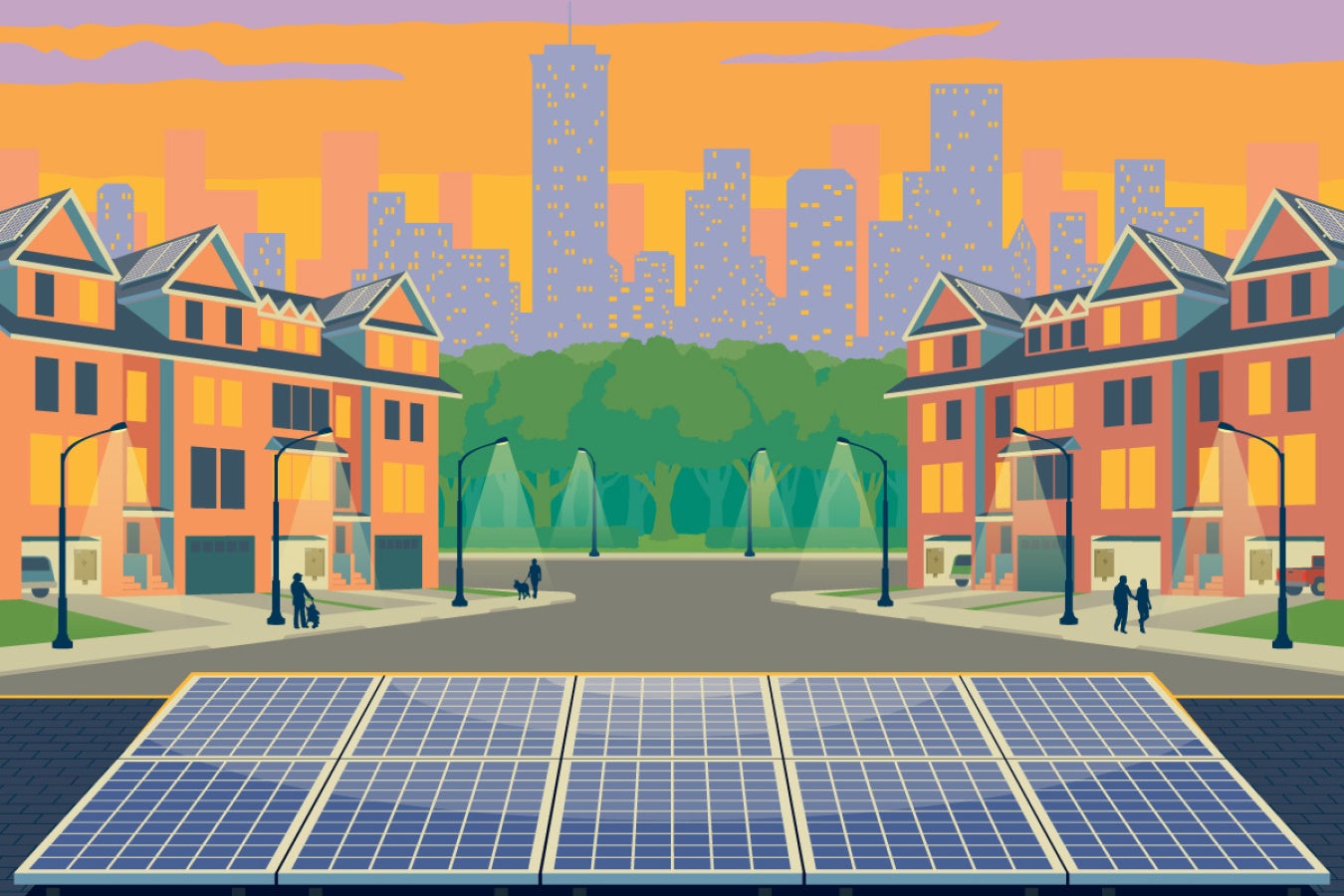
The AI boom is poised to fuel a rapid—and drastic—surge in electricity demand, placing unprecedented pressure on utilities to modernize their grids, integrate distributed energy resources, and reduce mounting supply chain and customer costs. |
|
 |
Evolving Technologies, Outdated Regulations Impact Mid-Atlantic Generation Permitting
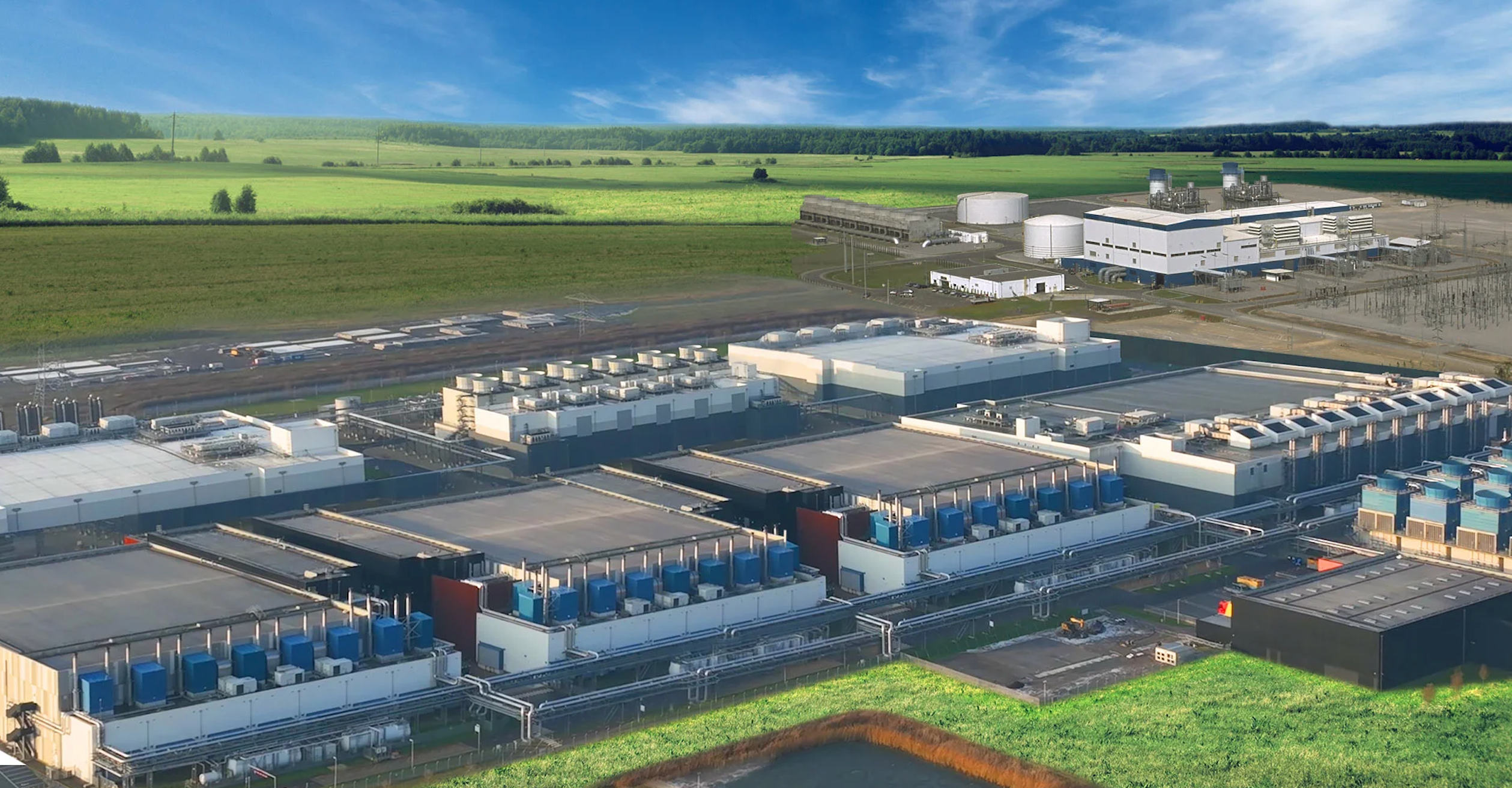
Energy-generation permitting in the Mid-Atlantic continues to evolve in 2026 not through wholesale deregulation or uniform acceleration, but through procedural and permitting reform and the potential allocation of generation development authority to public utilities. States are enacting these changes to meet the reality of reliability concerns, transmission constraints, large load-growth, and to address frequent obstruction of energy projects by local government. |
|
 |
Empowering the Grid: How Utilities Can Harness AI Safely and Effectively
When it comes to the latest technologies, utilities aren’t exactly early adopters—with good reason. Silicon Valley’s motto of “move fast and break things” can have disastrous consequences when applied to an industry tasked with keeping the lights on around the clock for millions of Americans. |
|
|
|
|