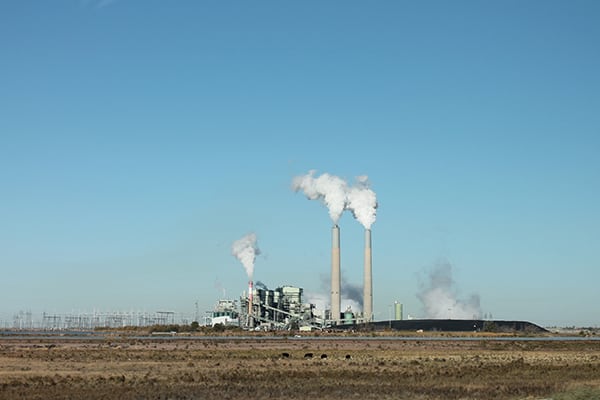
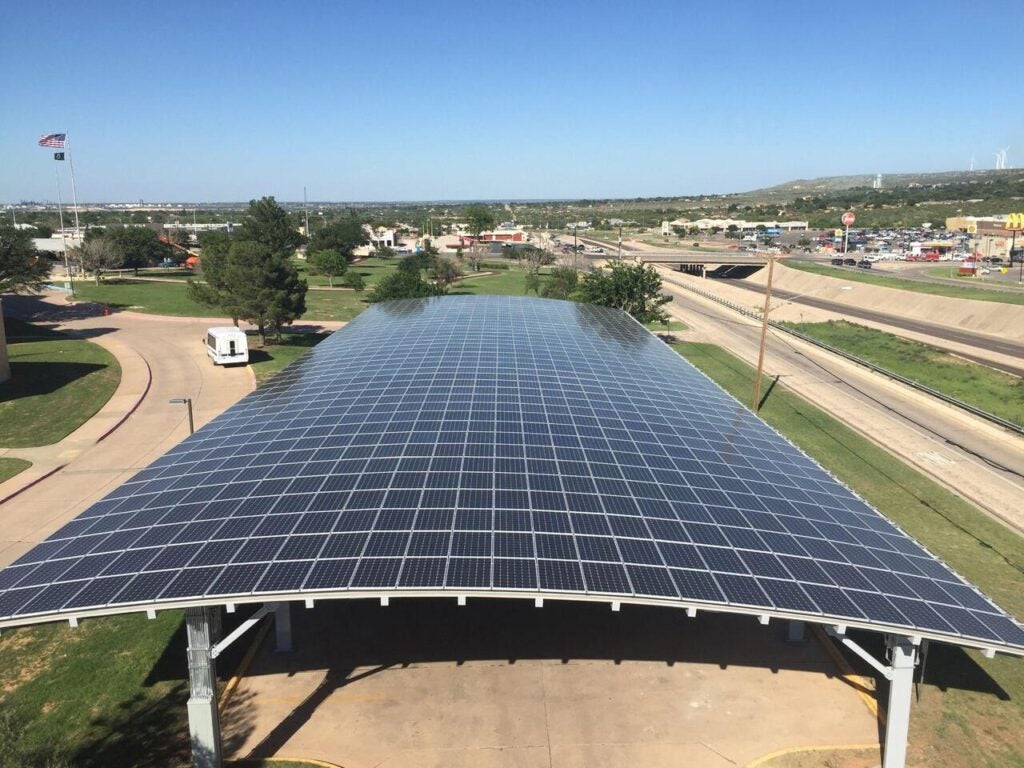
The Brattle Group released a provocative study paper in March in which the authors postulate that using more natural gas for generating electricity could reduce our dependence on coal-fired generation and reduce carbon emissions. Also discussed is an unexpected side effect: Renewables could push natural gas plants down in the dispatch mix in the future. Just because natural gas reserves are at a record high and the price is at historic lows doesn’t mean that gas demand will increase.
Bridge Fuel to the Future
The report, “Prospects for Natural Gas Under Climate Policy Legislation,†authored by Steven H. Levine, Frank C. Graves, and Metin Celebi, examines the role that natural gas might play as a “bridge†fuel that would link today’s mix of power-generating resources to a future mix of nuclear power, coal plants with carbon capture and sequestration, and renewable energy sources. In this scenario, when the cost of carbon allowances (in a carbon-regulated economy) rises high enough, generators will migrate to the cheaper (both in carbon emissions and price) and more-plentiful natural gas, which will spur coal-to-gas plant conversions as an interim carbon reduction step until new low-carbon-technology plants can be built. For proponents of a carbon-reduced future, the price of carbon allowances determines the time it takes to cross the “bridge.â€
There are two major problems with this scenario. First, the cost of allowances, the amortized capital cost of converting coal plants to burn natural gas, higher fuel costs, and fuel volatility risk will always flow to the ratepayers in terms of increased electricity prices. Proponents are quick to forget that the price of natural gas has historically been volatile and unpredictable (gas prices at the Henry Hub pushed $15/mmBtu several times in 2005; today the price is less than $4). The second problem is that plant efficiency post-fuel-switch will be much less than that of a modern combined-cycle plant (never mind the myriad technical problems to make the fuel switch and the price of lost capacity during an outage). This will push a baseload coal plant from first place to an also-ran in the dispatch order, again pushing up electricity rates.
Controlling Carbon Prices
The authors, quite rightly, point out that carbon allowance prices will surely take more than a decade to rise high enough to make the fuel switch attractive, given the damping effect that rapidly rising electricity costs would have on our economy. Let’s take a quick look at the authors’ assumptions of what economic conditions must exist for fuel switching to occur.
First, compare an “inefficient†coal plant (14,000 Btu/kWh) burning coal fuel at $1.70/million Btu to an “efficient†gas-fired combined-cycle plant (7,000 Btu/kWh) firing natural gas at $6/million Btu. The “break even†point is a carbon allowance price of $10/ton. If the carbon allowance price increases, then conceptually the coal plant will move down the dispatch order but normally remain well above a gas plant. If the coal plant is “efficient†(9,000 Btu/kWh) then the break-even point climbs to $80/ton. The authors note, “Thus, coal is not thoroughly displaced by gas until CO 2 prices are in the range of $50–$100/ton, levels that may not be observed (per EIA forecasts) until 2030 or later.†There are numerous caveats to this rather simplistic analysis, but the relative values are illustrative of the senseless economics (at least from the viewpoint of a ratepayer) even in a carbon-constrained economy.
Carbon allowance prices will surely take more than a decade to rise high enough to make the fuel switch attractive.
Renewables Continue Growth
The authors also note the importance of the latest U.S. Energy Information Administration (EIA) gas consumption trends on their analysis: “Specifically, gas-fired generation in the U.S. falls from roughly 900 billion kWh in 2008 to about 700 billion kWh in 2015, while generation from renewables increases from about 400 billion kWh to 650 billion kWh in that same period (while coal increases slightly).†This means that even if these costly gas conversions are forced by policy rather than economics, then the EIA data show that “the displacement of gas by new renewables development is the dominant effect.â€
This is a shocking observation by the authors. “Indeed, there is the possibility that the U.S. may experience a perverse outcome in which renewables serve to back out natural gas–fired generation rather than coal-fired generation.†This situation occurs when “the development of renewable energy resources combined with the effects of energy efficiency measures may serve to crowd out natural gas–fired generation in some regions.†When gas-fired plants (be they new combined-cycle plants or much less efficient gas conversion projects) are pushed down the dispatch order, then ratepayers will pay the freight in four distinct ways: for rising allowance costs, the cost of the gas conversions and new gas-fired plants that will dispatch less, the added cost of removing the same amount of carbon from gas plants rather than from coal plants (gas has about 40% of the carbon emissions of coal), and the economic costs of the tax credits and subsidies enjoyed by renewable projects.
Natural gas enjoys many advantages when used to generate electricity, but a codependency on natural gas as a “bridge fuel†is unhealthy given the fuel’s volatile price and supply history. Lower projections of the demand for natural gas for power generation make coal-to-gas conversions a poor investment given the current carbon policy proposals.
One final observation. Once a coal-to-gas conversion is made, that “bridge†becomes a one-way street.
—Dr. Robert Peltier, PE, is POWER’s editor-in-chief.