"It’s anti-renewables" is becoming a familiar refrain voiced before public utility commissions, air quality management districts, and other public agencies with jurisdiction over the siting and operation of new fossil-fueled electric generation projects. The survival — and, in some cases, expansion — of legislatively mandated renewable energy requirements, tax incentives, and outright subsidies through the recent economic downturn has further encouraged opponents of new fossil-fueled generation to cloak themselves in the environmental flag, irrespective of their underlying motives and goals.
The combination of legislative mandates, ambivalent regulators, and an emboldened opposition is making the already daunting challenges of developing new fossil-fueled generation projects seem insurmountable. Although increasing renewable generation is the right and necessary long-term energy policy, abandoning new fossil-fueled generation both harms renewable development and, in the near term, puts reliability at risk.
New Fossil-Fueled Generation Is Needed
Whether intended or not, renewables are increasingly being perceived as the "only game in town" for developers of new generation projects. States are appropriately implementing measures designed to streamline the permitting and approval process for new renewable generation projects. In contrast, developers of fossil-fueled projects must navigate an increasingly complicated regulatory maze that can readily cause substantial delays, increase costs, and put project viability at risk.
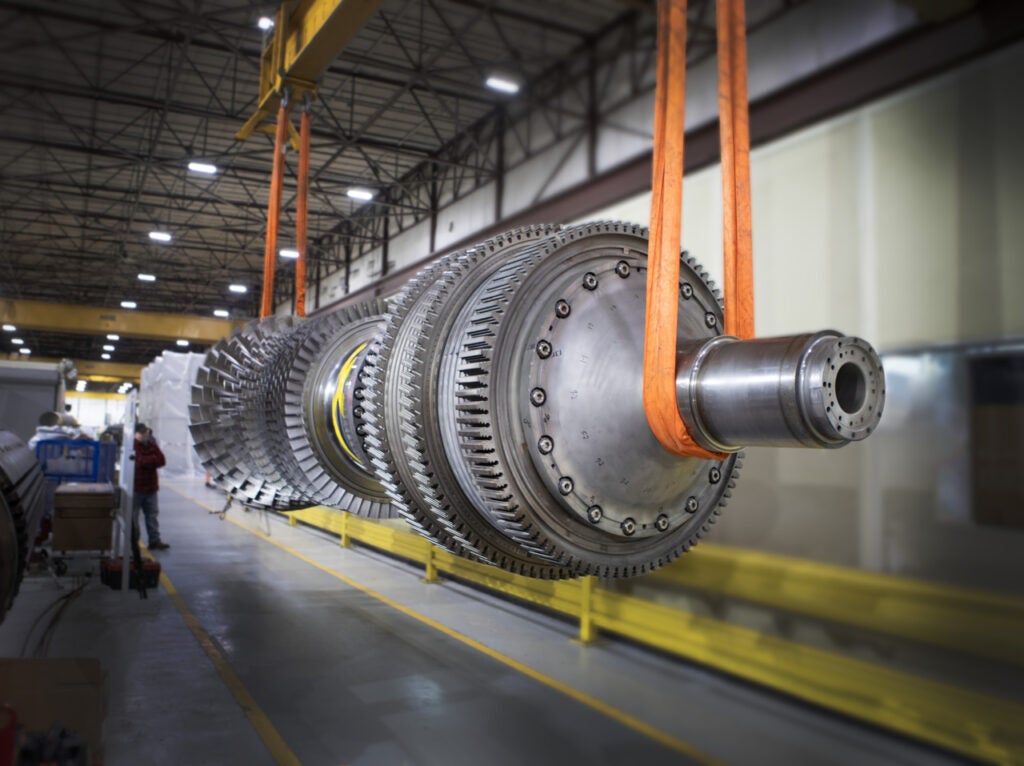
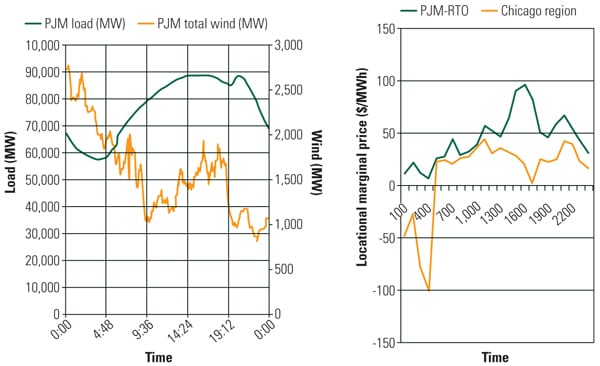
Against this backdrop, transmission grid operators must integrate new intermittent renewable resources without compromising system and local reliability. New fossil-fueled generation resources with improved efficiency, emission profiles, ramping times, and shaping capabilities should be critical tools in this effort.
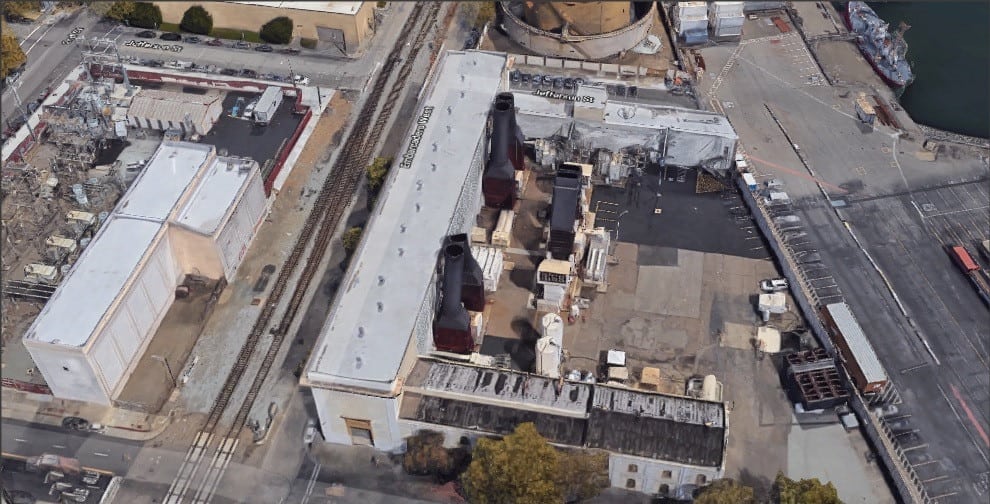
In California, the independent system operator has expressed the belief that all existing fossil-fueled generation is needed to support the addition of the new renewables resources necessary to meet the state’s climate change objectives. However, given the age, relative inefficiencies, operating constraints, and environmental concerns associated with the state’s existing generation fleet, keeping the current fleet afloat solely as a means to ensure reliability is counterproductive from environmental and other standpoints. One obvious solution is to facilitate the development of new, highly efficient and lower-emitting fossil-fueled units to replace older units, some of which date back to the decades following World War II.
Renewables — Easier Said Than Done
An energy policy predicated on the notion that reliability can be maintained through the sheer number of new renewable generation projects would be a mistake. Notwithstanding the steps taken to encourage new renewable resources, developers are still finding it difficult to bring new projects online. Though access to credit and capital markets should improve as the economy rebounds, the need for new transmission infrastructure continues to pose a significant barrier to renewables. The California Public Utilities Commission (CPUC) recently reported that "[s]ince March of 2009, the amount of renewable capacity that is considered delayed has more than doubled."
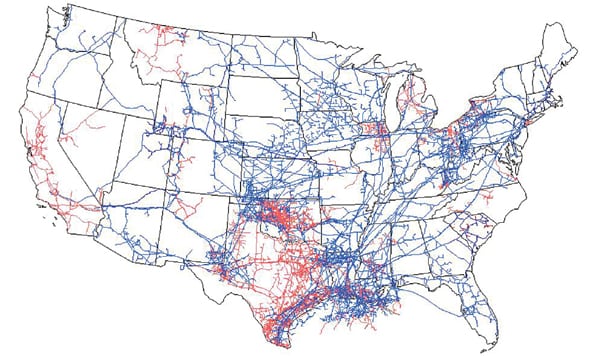
California regulators believe that seven new transmission lines at a cost of $12 billion are necessary to connect the new renewable generation. These new lines, which will likely need to be sited through or near state parks, deserts, or other wilderness areas, should be expected to engender significant opposition. Four years after filing an application with the CPUC for approval of a new transmission line to connect renewable energy – rich areas near the California-Mexico-Arizona borders with the San Diego area, appeals filed by opponents of the line are still pending, creating uncertainty for developers. To date, federal intervention has failed to break through the gridlock, inhibiting construction of the transmission lines necessary to deliver renewable power.
Everyone Needs to Work Together
If significant reductions in greenhouse gas emissions are to be realized, energy efficiency and demand response programs must be expanded. However, even assuming that significant expansion in these programs is achievable, up to one-third of our energy consumption will still likely need to come from renewable generation resources. Ensuring reliability in the face of such a massive renewables build-out will require new infrastructure — including new fossil-fueled generation.
Nationwide, reports estimate that investment of as much as $2 trillion may be needed over the next 20 years to maintain current reliability levels. Given the magnitude of these estimates, it is critical that regulators, environmentalists, generation project developers, and consumer advocates all work together to ensure good projects that will help us meet our climate change and reliability objectives are timely constructed. To achieve these objectives, policy positions must move away from a myopic vision that all fossil-fueled generation is bad.
With advances in technology, a fossil-fuel-less future may be possible some day and should be pursued. However, as we move toward such a future, we must recognize that new transmission projects and new, efficient fossil-fueled generation are a desirable and indeed necessary part of the renewable power vision.
—Steven F. Greenwald (stevegreenwald@dwt.com) leads Davis Wright Tremaine’s Energy Practice Group. Jeffrey P. Gray (jeffgray@dwt.com) is a partner in the firm’s Energy Practice Group.