America’s energy and environmental policies have been dysfunctional for decades. Obsessively moving toward “green” has made America weaker and has damaged our economy. During POWER’ s first 100 years (1882–1982), the magazine chronicled the U.S. growing into the strongest industrialized economy in the world. America designed and built products for the world using raw materials and energy from within our own borders. Now we are in a recession and the U.S. Environmental Protection Agency’s (EPA) “War on Coal” continues. Does anyone get the connection? Ever-worsening regulations are killing jobs by the thousands.
Past Turning Points in U.S. Energy Production
Remember when America took risks and led the world in energy innovation? Let’s review some of the past milestones.
The pace-setting power stations Eddystone and Philo are ultrasupercritical power plants that were designed in the 1950s. Hailed as the most efficient coal power plants in the world when they were launched, these plants were designed for over-40% thermal efficiency.
Then Admiral Hyman G. Rickover and President Dwight D. Eisenhower followed through on the “Atoms for Peace Initiative” to commercialize the success of the Navy nuclear propulsion systems, which were to be applied to electricity generation for peaceful purposes. The Shippingport nuclear power plant began operations in the early 1960s, and larger commercial nuclear plants were on the drawing boards. By the mid-1960s, it was said that nuclear power was such a technological breakthrough that “electricity will be too cheap to meter.” America went on to build more than 100 commercial nuclear plants, most of which are still operational. U.S. nuclear plants remain economical and have earned an enviable safety record.
Then came oil embargos, followed by volatile natural gas prices. The high oil and gas prices resulted in a surge in building new coal plants from 1975 to 1985. The nuclear fleet grew until 1978, when the Three Mile Island accident created a major setback. In recent years, nuclear power morphed into the politically correct, carbon-free fuel. However, the tsunami in Japan in March and the resurgence of anti-nuclear groups around the world seem to have once more stalled future nuclear plant development.
The Need for Energy Policies That Promote Our Economy
U.S. energy policy should promote the use of all fuels. America is the Saudi Arabia of coal. If mining permits, EPA regulations, and common sense energy policies were practiced, then power engineers could replace our aging coal plants with new clean coal plants exceeding 40% thermal efficiency. This would be an efficiency improvement of about 7 percentage points above the existing coal fleet.
It is absurd that environmental activists can shape the U.S. energy policy based on ideology alone, with little concern for keeping electricity prices reasonable and our economy growing. Why don’t environmental activists embrace new, more efficient clean coal plants? America should be replacing our aging fleet with new, more efficient, clean coal plants. Will we ever learn?
My concern is that the same type of political correctness that nearly killed nuclear power after Three Mile Island may harm the future of clean coal plants. If the U.S. rebuilt the aging 300+ GW coal fleet with all new, clean ultrasupercritical coal plants, it would employ well over three million Americans. Jobs and a strong America are related to the utilization of homegrown energy, including the mining of coal and raw materials; construction; and the production of steel, cement, copper wire, generators, boilers, balance-of-plant equipment, and environmental controls. Compare the number of jobs created to build, operate, and maintain new coal plants with the “green jobs” of erecting foreign-built windmills or solar power facilities.
If we want to restore economic prosperity and renew manufacturing in America, then we need reasonably priced electricity to supply power to manufacturing plants. Keeping electricity costs reasonable for residential consumption is nice, but to restore manufacturing jobs in America, reasonably priced wholesale electricity, which is available on a 24/7 basis, is needed. This point seems to be forgotten in the national dialog on America’s energy future.
Educating the American Public About Electric Power Production
I think each of us who understands power production has a responsibility to educate our friends, neighbors, and elected officials. There are millions of citizens who believe reasonably priced, reliable electricity is an entitlement. The right thing for human advancement is to use the God-given natural resources that have made “living better electrically” a way of life in the developed world.
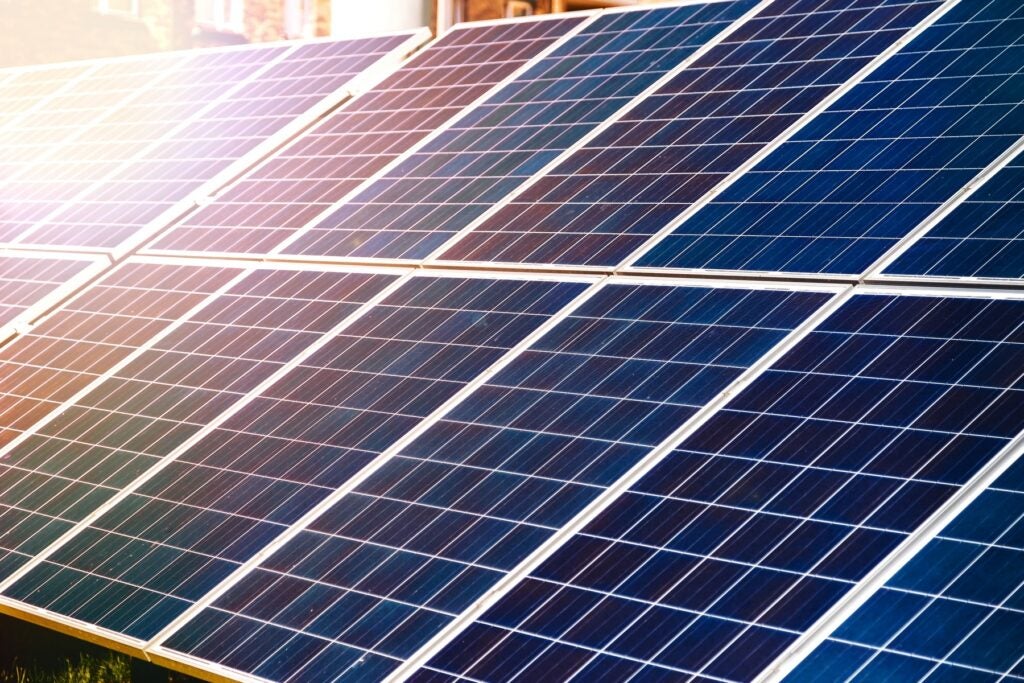
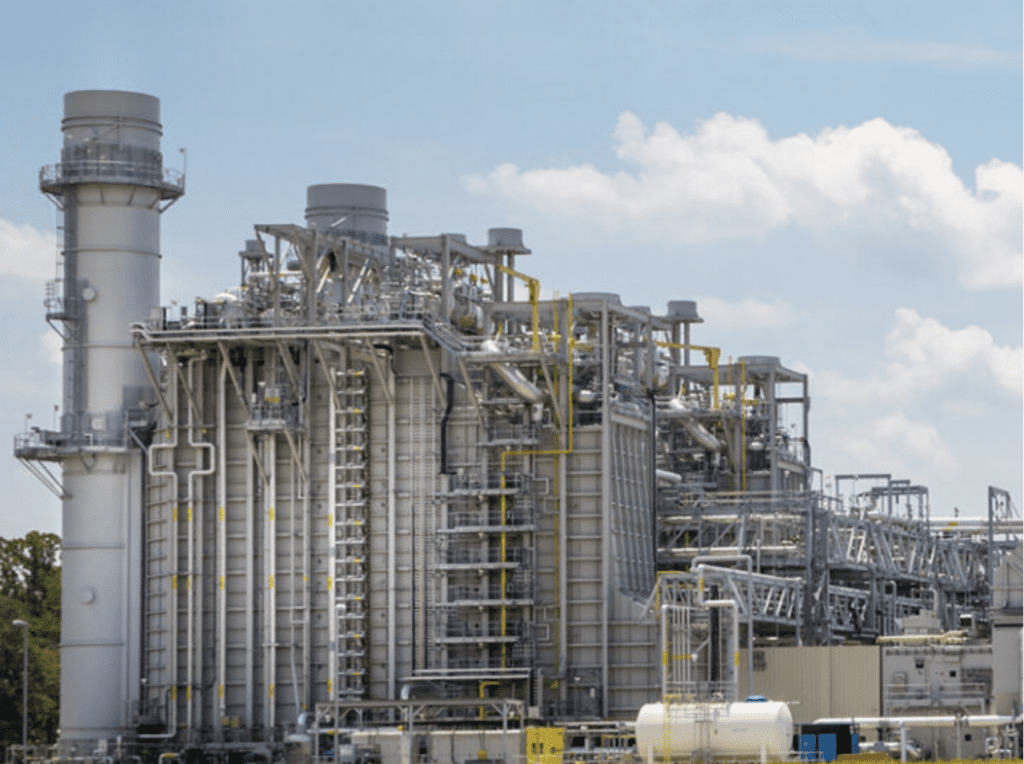
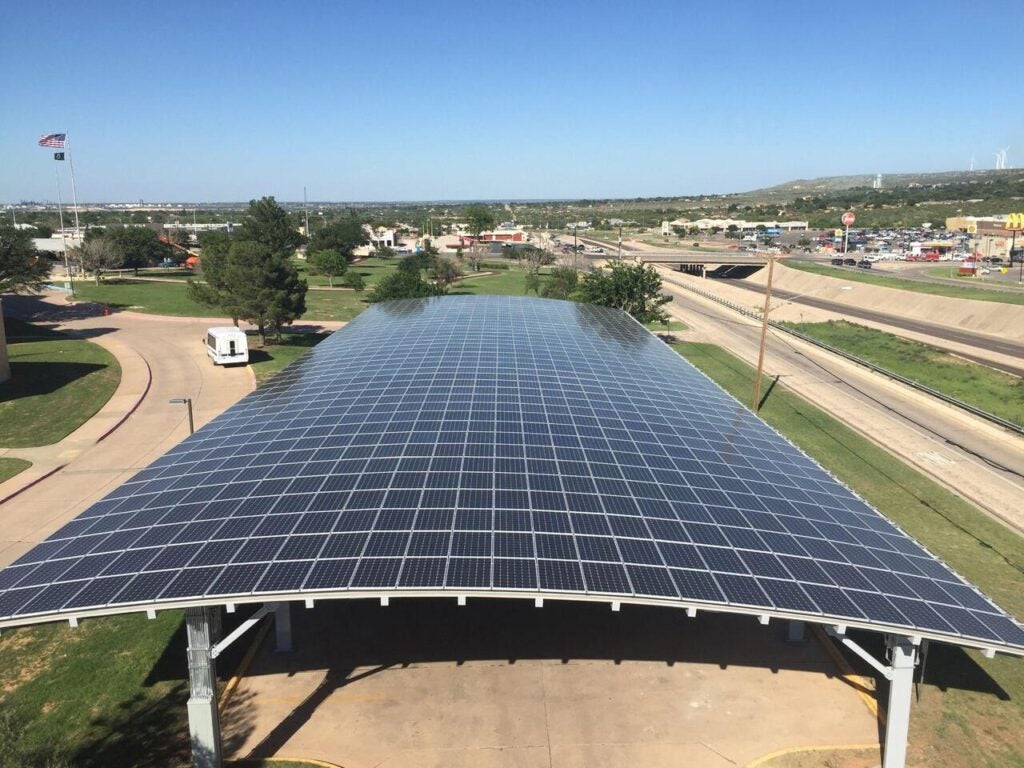
In my opinion, we should build green power where it is practical and economic to do so, such as on the roofs of buildings and parking garages. I support the building of nuclear plants and combined cycle gas plants, where economically justified. Energy engineers understand that when the sun sets and the wind is calm, the U.S. needs reasonably priced, dispatchable power to energize what is left of America’s manufacturing might.
I urge the readers of POWER to do your part in educating the public and our elected officials on the true facts of how we can continue to “live better electrically” and keep America strong. I promise to do my part. Will you?
— Richard F. “Dick” Storm (rfstormsea@aol.com) is CEO/senior consultant of Storm Technologies Inc. in Albemarle, N.C.